
While the world seems obsessed with shedding pounds, there is a dedicated group of us looking to do the exact opposite. Whether you are an athlete looking for more muscle, someone with a fast metabolism, or you’re recovering from an illness, gaining weight can be just as challenging as losing it—especially on a plant-based diet.
The secret to success isn't just "eating more." It’s about choosing nutrient-dense "powerhouse" foods that fuel your body without making you feel like a balloon. By hitting a 3000 calorie vegetarian diet plan target, you can support healthy tissue growth while keeping your energy levels sky-high.
How to Gain Weight Healthily
To gain about one pound of body weight per week, you generally need to consume a surplus of approximately 500 calories above your maintenance level. For many active adults, this brings the daily goal to 3,000 calories.
The quality of those calories matters. Instead of filling up on "empty" calories like soda or candy, focus on a balanced mix of macronutrients to ensure you’re building lean muscle rather than just storing fat.
Macronutrient | Percentage of Total Energy | Grams per Day (at 3000 kcal) |
Carbohydrates | 50% | 375 g |
Protein | 20% | 150 g |
Fats | 30% | 100 g |
Bottom Line Aim for a 500-calorie daily surplus using a balanced 50/20/30 macro split to support healthy and sustainable weight gain.
High-Calorie Vegetarian Staples
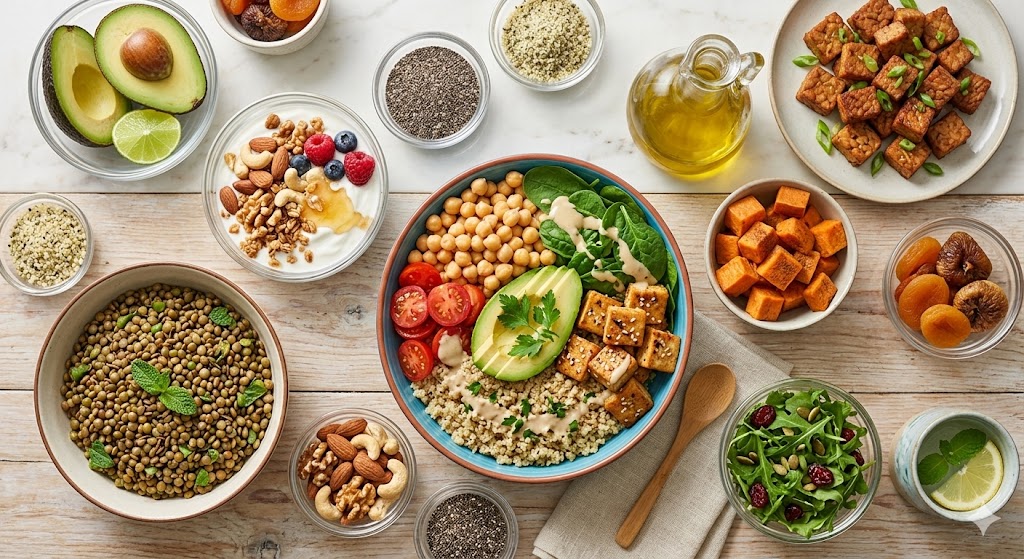
Reaching 3,000 calories on a vegetarian diet requires a strategic "grocery list" of energy-dense foods. If you rely only on salad, your stomach will give up long before you hit your goal.
Protein: Your Muscle Architect
Vegetarians have plenty of heavy-hitting protein options. Aim for at least 1.5 grams of protein per kilogram of body weight to support muscle repair.
Seitan: Often called "wheat meat," it packs 21g of protein per 3oz serving.
Tempeh: A fermented soy powerhouse that is denser and more caloric than tofu.
Greek Yogurt: Full-fat versions are high in protein and calcium.
Legumes: Lentils and chickpeas provide a dual-threat of protein and complex carbs.
Fats: The Calorie Engine
Fats are your secret weapon because they contain 9 calories per gram—more than double that of carbs or protein.
Avocados: A single large Hass avocado can provide over 320 calories.
Nuts & Nut Butters: Almonds, walnuts, and peanut butter are easy to add to any meal.
Healthy Oils: Drizzling extra virgin olive oil over your pasta or veggies adds 120 calories per tablespoon.
Carbs: The Energy Reservoir
Complex carbohydrates keep your "energy tank" full for workouts and daily life.
Quinoa: A complete protein and a calorie-dense grain alternative.
Starchy Veggies: Sweet potatoes, corn, and peas are much more energy-dense than leafy greens.
Strategies for High-Volume Eating
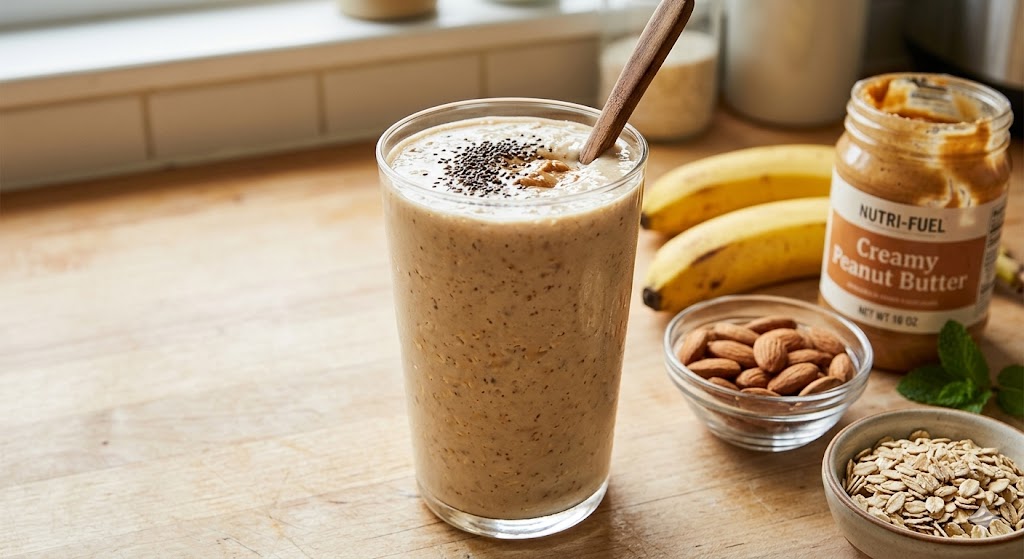
Eating 3,000 calories can be a lot of "chewing time." Here are some pro tips to make it easier:
Drink Your Calories: Smoothies made with full-fat milk or soy milk, nut butters, and oats can pack 600–800 calories in a single glass.
Eat Frequently: Instead of three massive meals, aim for 5–6 smaller meals or snacks every 2–3 hours.
Add "Boosters": Never eat plain toast. Layer on avocado, hemp seeds, or nut butter to every bite.
Bottom Line Use liquid nutrition and frequent "mini-meals" to hit your 3,000-calorie target without feeling uncomfortably full.
7-Day Vegetarian Meal Plan for Weight Gain
This plan is designed to hit approximately 3,000 calories daily using varied vegetarian sources.
Day 1: The Kickoff
Breakfast: Oatmeal with whole milk, 2 tbsp peanut butter, chia seeds, and a banana (700 kcal).
Snack: 1/2 cup Greek yogurt with granola and blueberries (300 kcal).
Lunch: Peanut Tofu Power Bowl with brown rice and broccoli (700 kcal).
Snack: Whole wheat pita with 1/2 cup hummus and 1/2 avocado (400 kcal).
Dinner: Chickpea Avocado Pesto Pasta with parmesan cheese (750 kcal).
Late Snack: 1/4 cup walnuts (150 kcal).
Day 2: Protein Focus
Breakfast: 2 fried eggs on whole-grain toast with 1/2 avocado (650 kcal).
Snack: Protein smoothie with soy milk, plant protein, and almond butter (350 kcal).
Lunch: Seitan Philly Cheesesteak on a whole-wheat roll with provolone (750 kcal).
Snack: 1/2 cup trail mix (350 kcal).
Dinner: Lentil-Walnut Bolognese over spaghetti with olive oil (750 kcal).
Late Snack: Glass of whole milk or fortified soy milk (150 kcal).
Day 3: Mediterranean Vibes
Breakfast: Breakfast burrito with 2 eggs, black beans, avocado, and cheese (700 kcal).
Snack: 1 cup cottage cheese with pineapple (300 kcal).
Lunch: Mediterranean Couscous Bowl with chickpeas, olives, and feta (700 kcal).
Snack: 1 bagel with cream cheese and hemp seeds (400 kcal).
Dinner: Tofu Curry with full-fat coconut milk and basmati rice (750 kcal).
Late Snack: 1 banana with 1 tbsp peanut butter (150 kcal).
Day 4: High Protein Hypertrophy
Breakfast: Chocolate protein baked oats with almond butter (650 kcal).
Snack: 1 apple with 2 tbsp peanut butter (350 kcal).
Lunch: Tempeh Taco Salad with quinoa, guacamole, and sour cream (750 kcal).
Snack: Greek yogurt with granola and honey (350 kcal).
Dinner: Paneer Tikka Masala with rice and garlic naan (750 kcal).
Late Snack: Handful of cashews (150 kcal).
Day 5: Global Selection
Breakfast: Sourdough avocado toast with 2 poached eggs and olive oil (700 kcal).
Snack: 1 cup edamame and a pear (300 kcal).
Lunch: Large falafel pita with hummus, tahini, and salad (700 kcal).
Snack: Weight gain smoothie (banana, milk, oats, peanut butter) (400 kcal).
Dinner: Sweet potato and black bean chili topped with cheese and yogurt (750 kcal).
Late Snack: 2 Medjool dates (150 kcal).
Day 6: Comfort Fueling
Breakfast: Cottage cheese pancakes with butter and maple syrup (650 kcal).
Snack: 1 cup granola with whole milk (350 kcal).
Lunch: Vegetarian lasagna with a side of garlic bread (750 kcal).
Snack: 1/2 cup mixed nuts and raisins (350 kcal).
Dinner: Veggie burger on a brioche bun with avocado and sweet potato fries (750 kcal).
Late Snack: 1 cup warm milk with cinnamon (150 kcal).
Day 7: Strategic Surplus
Breakfast: Scrambled eggs with roasted potatoes, avocado, and black beans (700 kcal).
Snack: Greek yogurt with berries and sunflower seeds (300 kcal).
Lunch: Quinoa and black bean stuffed peppers with melted cheese (700 kcal).
Snack: 2 slices of whole-wheat toast with almond butter and banana (400 kcal).
Dinner: Mushroom Risotto made with butter and parmesan cheese (750 kcal).
Late Snack: 1oz dark chocolate and walnuts (150 kcal).
Common Pitfalls to Avoid
Gaining weight doesn't mean eating anything and everything. Watch out for these common traps:
The "Junk Food" Trap: Just because it’s meat-free doesn't mean it's healthy. Avoid relying on soda and fried snacks, which can lead to inflammation and heart issues.
Missing Micronutrients: Vegetarians must be mindful of Vitamin B12, Iron, and Zinc. Consider fortified foods or supplements if you’re not hitting your marks.
Sodium Overload: Processed vegetarian meats and canned beans can be high in salt. Always rinse your beans and check labels to stay under 2,300mg of sodium per day.
Master Your Tracking with VoCal
Let's be real: logging 3,000 calories a day—across 6 different meals—can feel like a full-time job. Traditional apps require you to type in every single ingredient, which is why most people quit after a week.
This is where VoCal changes the game. Instead of typing, you just talk.
Save Time: VoCal AI can log a meal in under 15 seconds, saving you over 20 minutes a day.
Hands-Free: You can log your post-workout shake while you're still at the gym or your dinner while you're washing the dishes.
Total Accuracy: Vo-cal.com understands natural speech and complex vegetarian meals like "tempeh stir-fry with two tablespoons of peanut sauce," automatically fetching the right data.
Summary
A 3000 calorie vegetarian diet plan is a fantastic way to reach your weight gain goals while nourishing your body with high-fiber, antioxidant-rich foods. By focusing on calorie-dense staples like nuts, avocados, and seitan—and using the ease of VoCal to track your progress—you can build the body you want without the stress.
FAQs
Who should follow a 3,000-calorie diet?
It’s best for active individuals, athletes, or anyone needing a calorie surplus to gain weight or muscle.
Can vegetarians get enough protein for bulking?
Yes! Tofu, tempeh, Greek yogurt, and seitan are all excellent high-protein sources.
Is it safe to gain weight quickly?
Most experts recommend a steady gain of about 1 pound per week to ensure you're gaining healthy mass rather than just fat.
Disclaimer: This article provides informational content and is not a substitute for professional medical advice, diagnosis, or treatment. Always consult with a healthcare professional or registered dietitian before starting a new diet plan.