
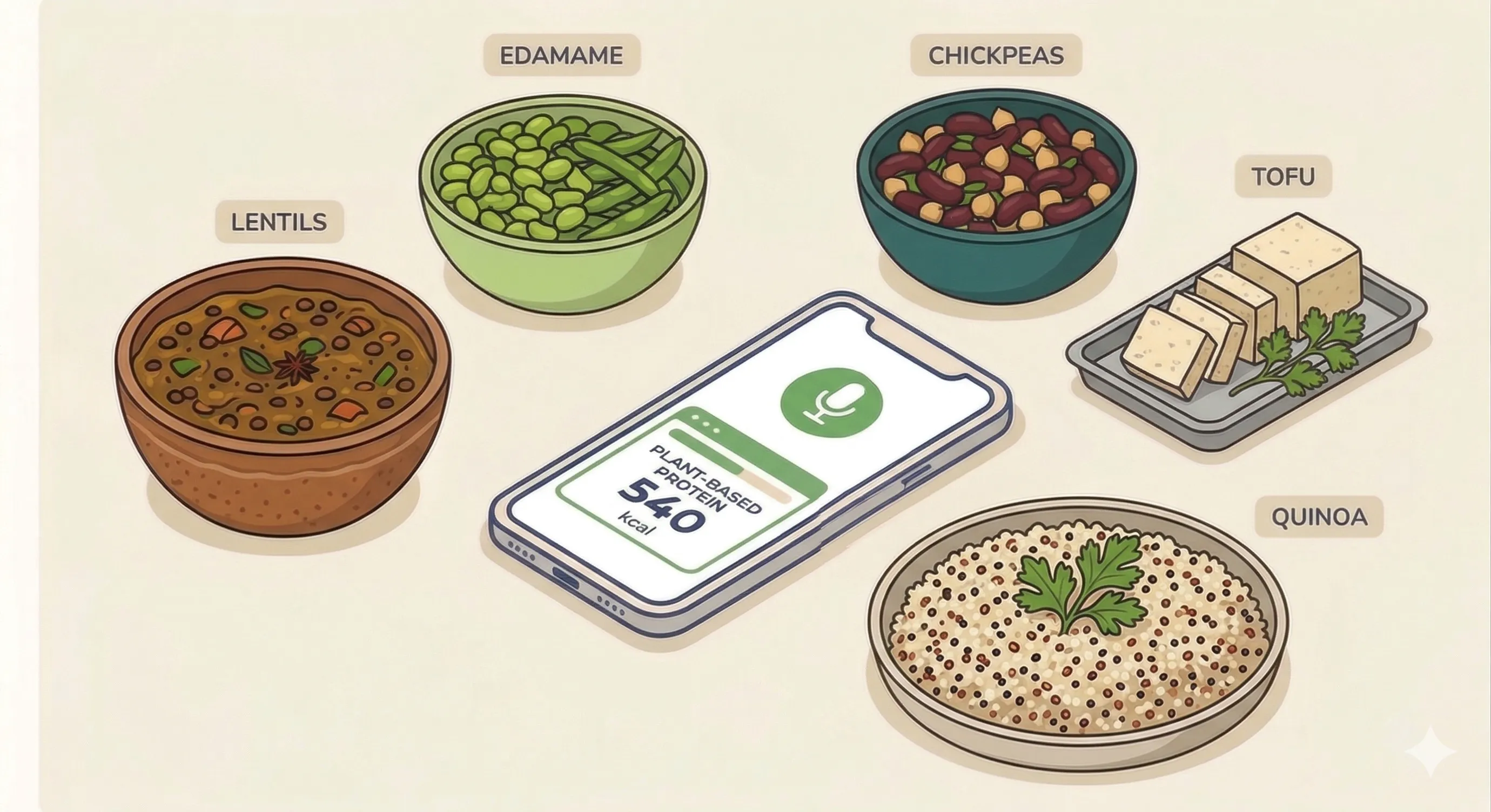
The nutritional landscape of 2026 has shifted toward "plant-forward" eating, driven by clear evidence that high-quality plant proteins are essential for sustainable weight management. Unlike animal proteins, plant-based sources offer a unique "satiety synergy" by combining muscle-building protein with digestive fiber—a combination often called "Fiber-maxxing".
If you are looking to lose weight without feeling hungry, focusing on the right plant based protein foods for weight loss is the most effective strategy for long-term metabolic health.
Why Plant Proteins Work for Weight Loss
Sustainable weight loss isn't just about cutting calories; it’s about how those calories communicate with your body. Plant proteins influence weight loss through three primary mechanisms:
Hormonal Satiety: Protein triggers the release of GLP-1 and Peptide YY (PYY), hormones that tell your brain you are full.
The Thermic Effect: Your body burns significantly more energy (20–30%) digesting protein compared to fats or carbs.
Blood Sugar Stability: The high fiber content in plants slows glucose absorption, preventing the insulin spikes that lead to fat storage.
7 Great Plant-Based Protein Sources
1. Lentils (The Fiber Powerhouse)
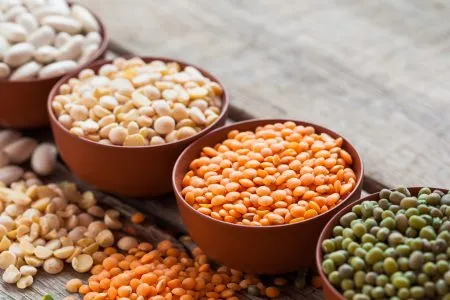
Lentils are the ultimate weight-loss staple. With roughly 18g of protein and 15g of fiber per cup, they provide immense volume for relatively few calories. Clinical studies show that eating one cup of legumes daily can lead to significant reductions in body weight and waist circumference.
2. Tofu (The Complete Protein)
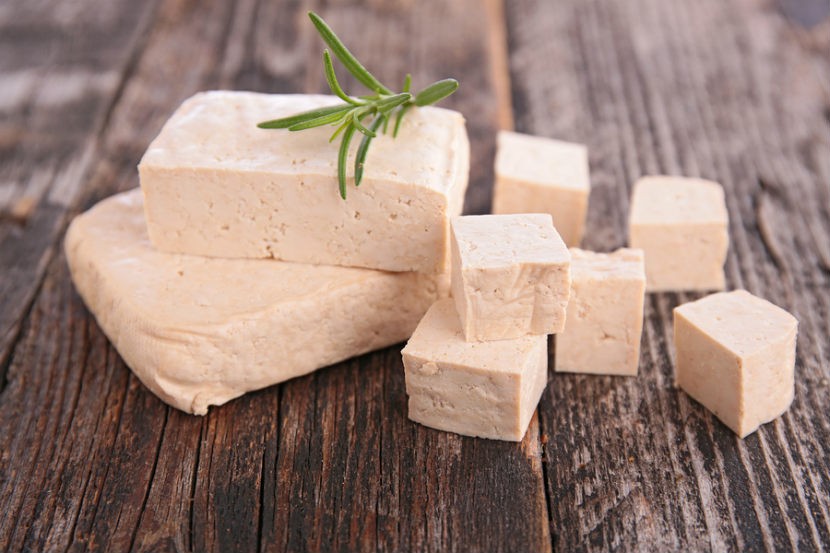
Tofu is a "complete" protein, meaning it contains all nine essential amino acids. It is incredibly versatile and lean; extra-firm tofu provides a high protein-to-calorie ratio, helping you maintain muscle while losing fat .Extra-firm tofu contains about 10.0 grams of protein for every 100-gram serving.
3. Chickpeas (Metabolic Control)
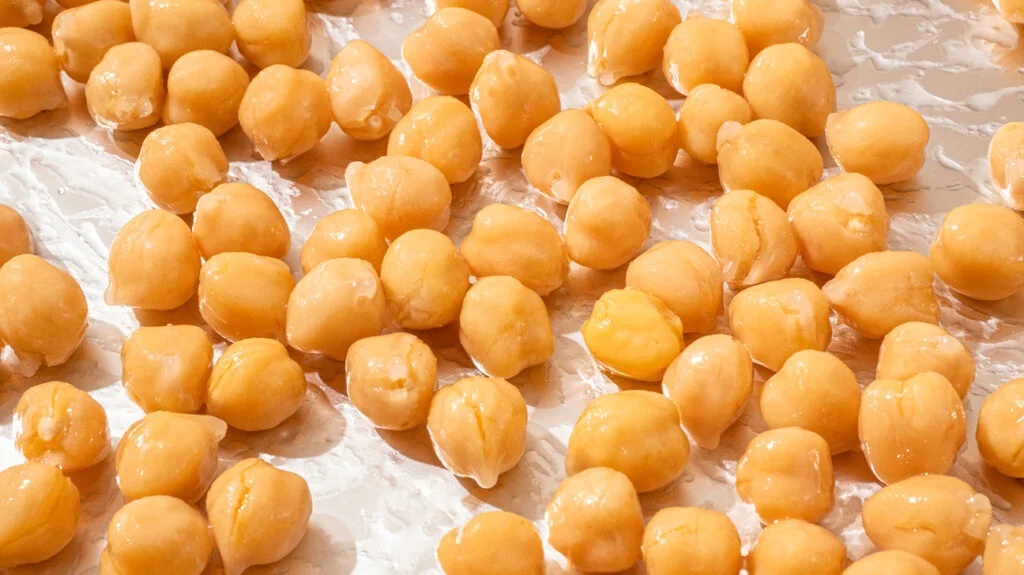
Also known as garbanzo beans, chickpeas are rich in resistant starch . This type of starch feeds healthy gut bacteria, which then produce short-chain fatty acids (SCFAs) that improve insulin sensitivity and boost fat oxidation. Cooked chickpeas offer roughly 8.9 grams of protein per 100 grams.
4. Quinoa (The High-Satiety Seed)
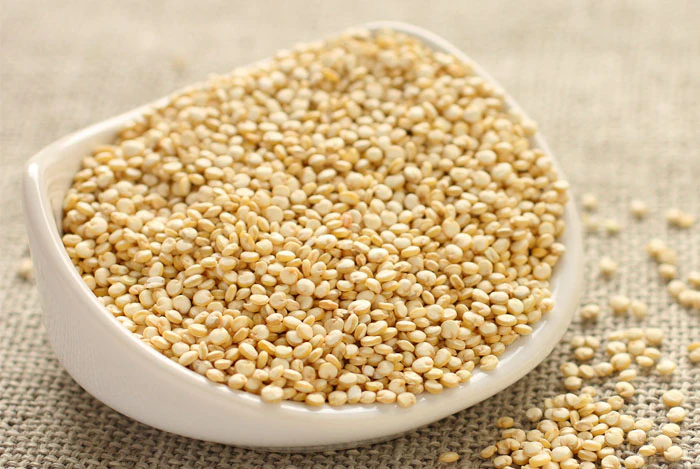
Quinoa is a pseudocereal that provides 8g of protein per cup. Its low glycemic index and insoluble fiber content help you stay fuller for longer compared to refined grains like white rice. A 100-gram portion of cooked quinoa contains approximately 4.4 grams of protein.
5. Chia Seeds (The Volume Builder)
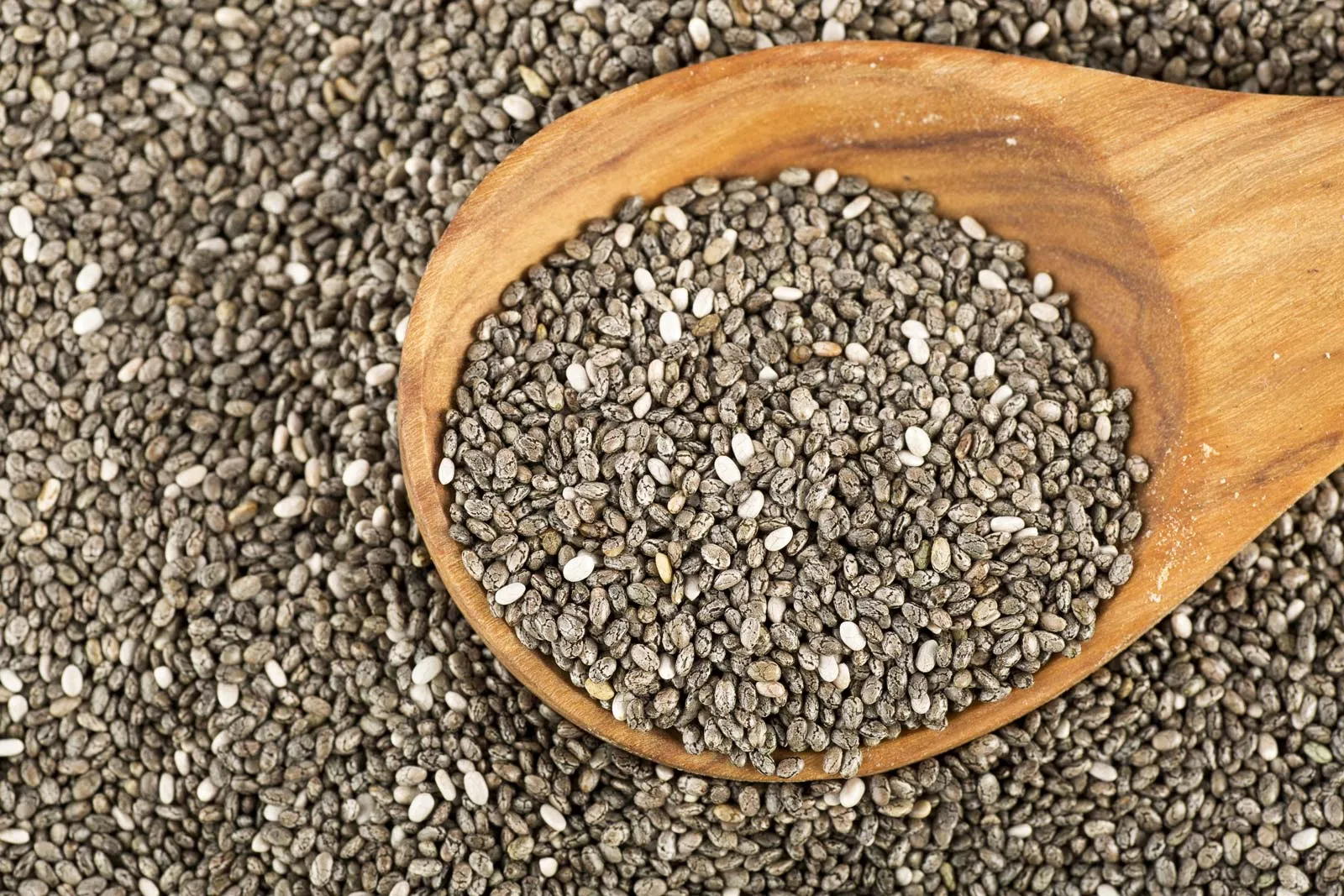
Chia seeds can absorb 12 times their weight in water, forming a gel in your stomach that physically signals fullness to your brain. They are one of the most fiber-dense foods available, providing nearly 10g of fiber in just two tablespoons. Chia seeds are highly nutrient-dense, delivering about 17.0 grams of protein per 100 grams.
6. Black Beans (The Antioxidant Legume)
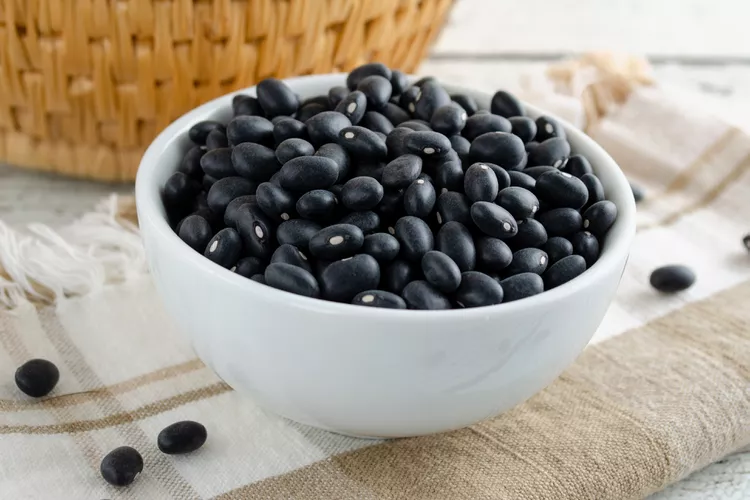
Black beans are packed with anthocyanins—antioxidants that help reduce the inflammation often associated with obesity. They provide a "meat-like" iron and zinc profile, making them essential for high-energy weight loss. For every 100 grams of cooked black beans, the protein content is approximately 8.9 grams.
7. Edamame (The Nutrient Powerhouse)
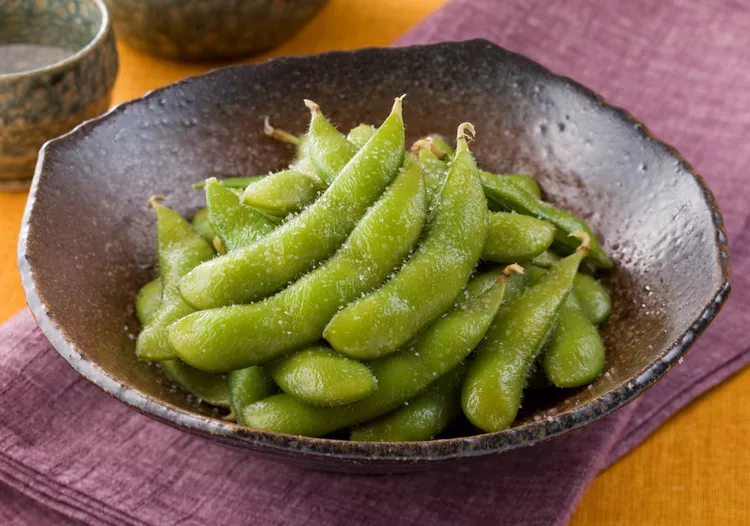
Young green soybeans (edamame) offer 18g of protein per cup. They are also high in Vitamin K and folate, which support cellular repair and bone health during your weight loss journey. Cooked edamame (green soybeans) provides roughly 11.0 grams of protein per 100-gram serving.
Nutritional Comparison: Top 7 Plant Proteins
Food (per 100g) | Protein | Fiber | Calories |
Lentils (Cooked) | 9.0g | 7.9g | 116 kcal |
Tofu (Extra Firm) | 10.0g | 0.9g | 76 kcal |
Chickpeas (Cooked) | 8.9g | 7.6g | 164 kcal |
Quinoa (Cooked) | 4.4g | 2.8g | 120 kcal |
Chia Seeds (Dry) | 17.0g | 34.4g | 486 kcal |
Black Beans (Cooked) | 8.9g | 8.7g | 132 kcal |
Edamame (Cooked) | 11.9g | 5.2g | 121 kcal |
How Technology Bridges the Adherence Gap
The biggest challenge in weight loss isn't knowing what to eat—it’s staying consistent. Research shows that frequent tracking is a definitive predictor of weight loss success. However, traditional manual logging is tedious and often takes 15 minutes per meal .
This is where Vo-cal changes the game. By using voice-powered AI, you can log your meals in just 15 seconds . Instead of searching through complex databases, you simply speak naturally: "I had a bowl of lentil soup and a side of edamame."
The AI understands portions and cooking methods with 95% accuracy, even for regional Indian dishes like dal makhani or chole . This "zero-friction" approach makes it 10x faster to stay accountable to your goals .
Frequently Asked Questions
Can I get enough protein on a 100% plant-based diet?
Yes. Major health organizations agree that well-planned plant-based diets meet all protein requirements for adults.
Do I need to combine proteins at every meal?
No. As long as you eat a variety of plant based protein foods for weight loss throughout the day, your body will maintain an adequate "amino acid pool".
Is fiber more important than protein?
Both are vital. Protein manages your hunger hormones, while fiber provides physical fullness and gut health benefits.
Disclaimer: This content is for informational purposes only and does not constitute medical advice, diagnosis, or treatment. Always consult a healthcare professional before making significant dietary changes or managing a medical condition.