
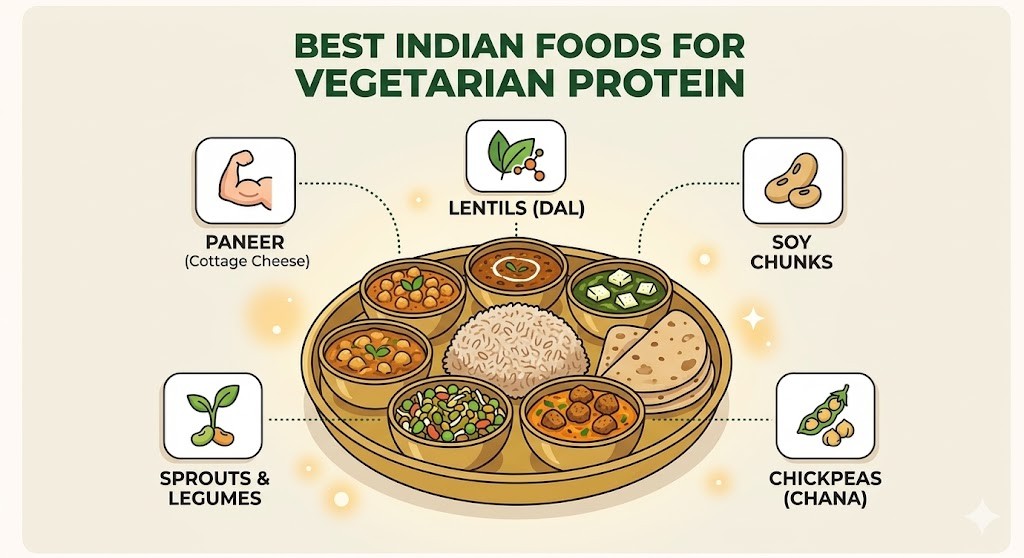
In the Indian dietary landscape, traditional meals are often rich in flavor but heavily skewed toward carbohydrates. This creates a significant "protein gap" for many looking to manage weight or build muscle. Protein is the fundamental building block for muscle repair and a critical tool for fat loss due to its high Thermic Effect of Food (TEF)—meaning your body burns more energy just digesting it compared to other macros.
The 10 Best Indian Foods for Protein
1. Soya Chunks: The Vegetarian "Meat"
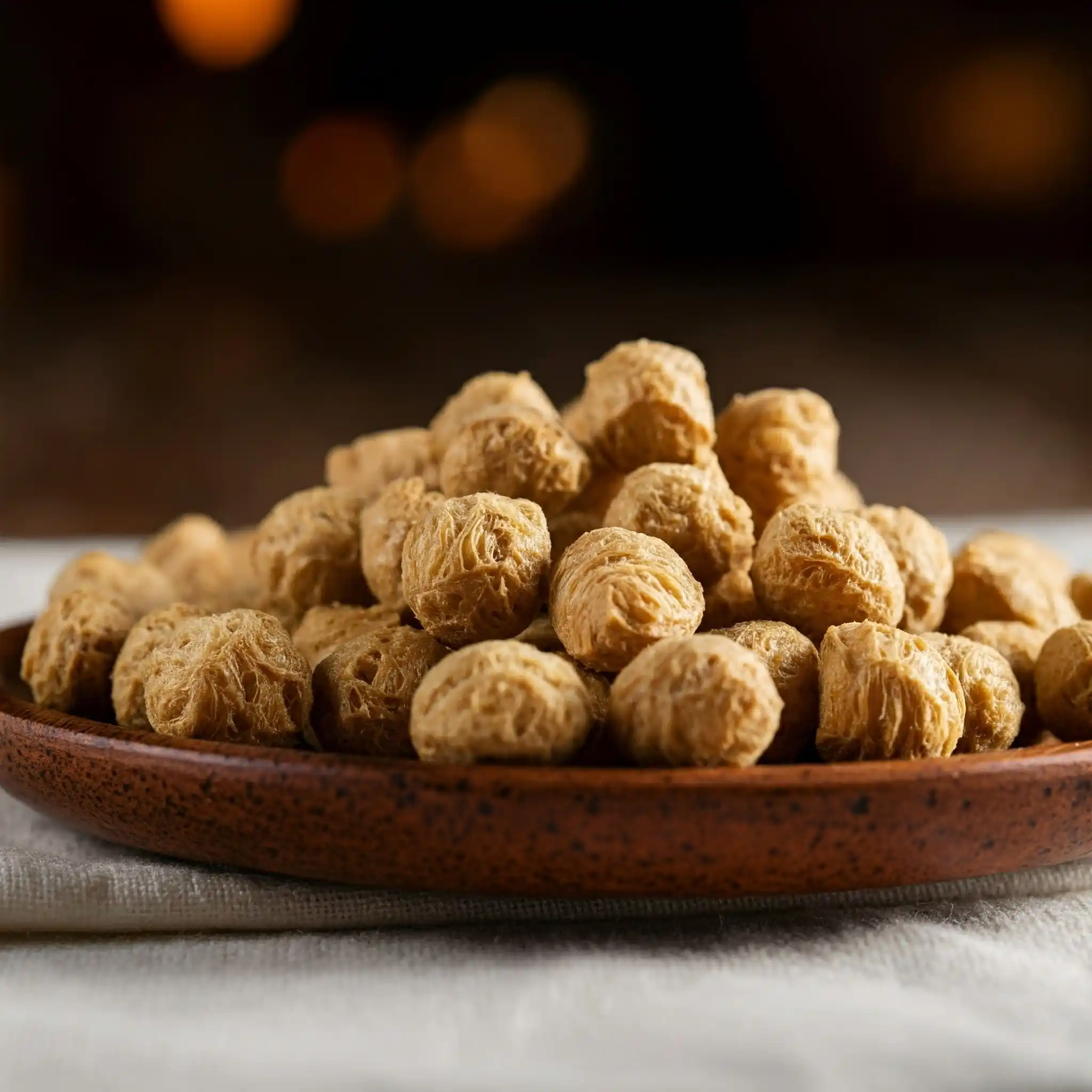
Soya chunks are arguably the most protein-dense food in the Indian pantry, containing approximately 52g of protein per 100g. They are one of the few plant sources that provide a "complete protein," containing all nine essential amino acids.
2. Paneer (Indian Cottage Cheese)
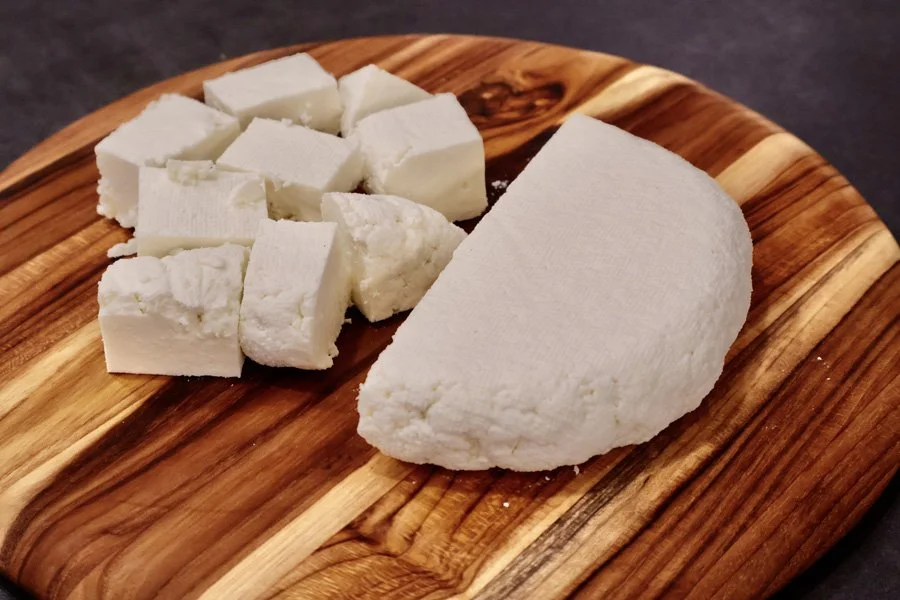
Paneer is a high-quality source of casein protein, delivering 18–21g of protein per 100g. Because casein is slow-digesting, paneer is ideal for dinner or a late-night snack to provide a steady supply of amino acids during sleep.
3. Sattu (Roasted Gram Flour)
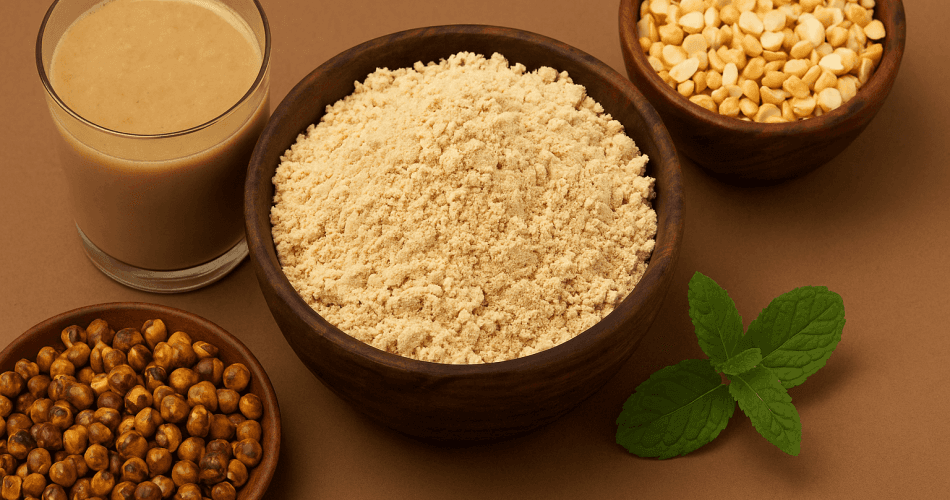
Often called the "poor man's protein," Sattu contains 20–26g of protein per 100g. It is highly versatile and budget-friendly, often consumed as a cooling drink (sharbat) or stuffed in parathas.
4. Lentils and Dals (Moong, Masoor, Toor)
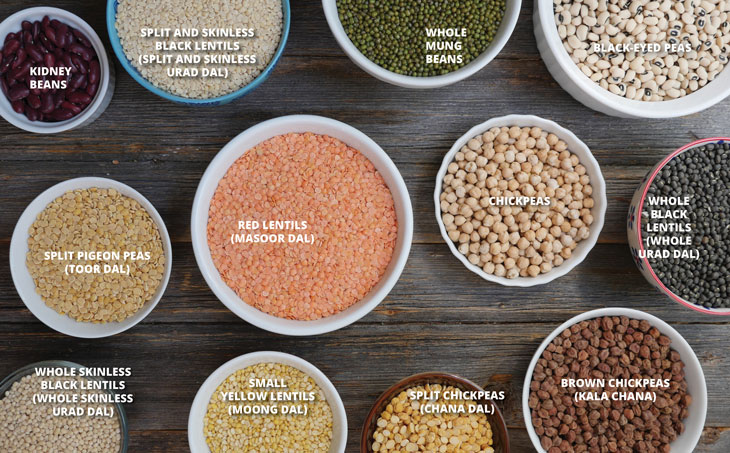
Dals are the cornerstone of Indian protein. While their raw protein content is high, cooked dal provides about 7–9g of protein per cup. To ensure a complete amino acid profile, always pair your dal with grains like rice or roti.
5. Chickpeas (Chana) and Rajma
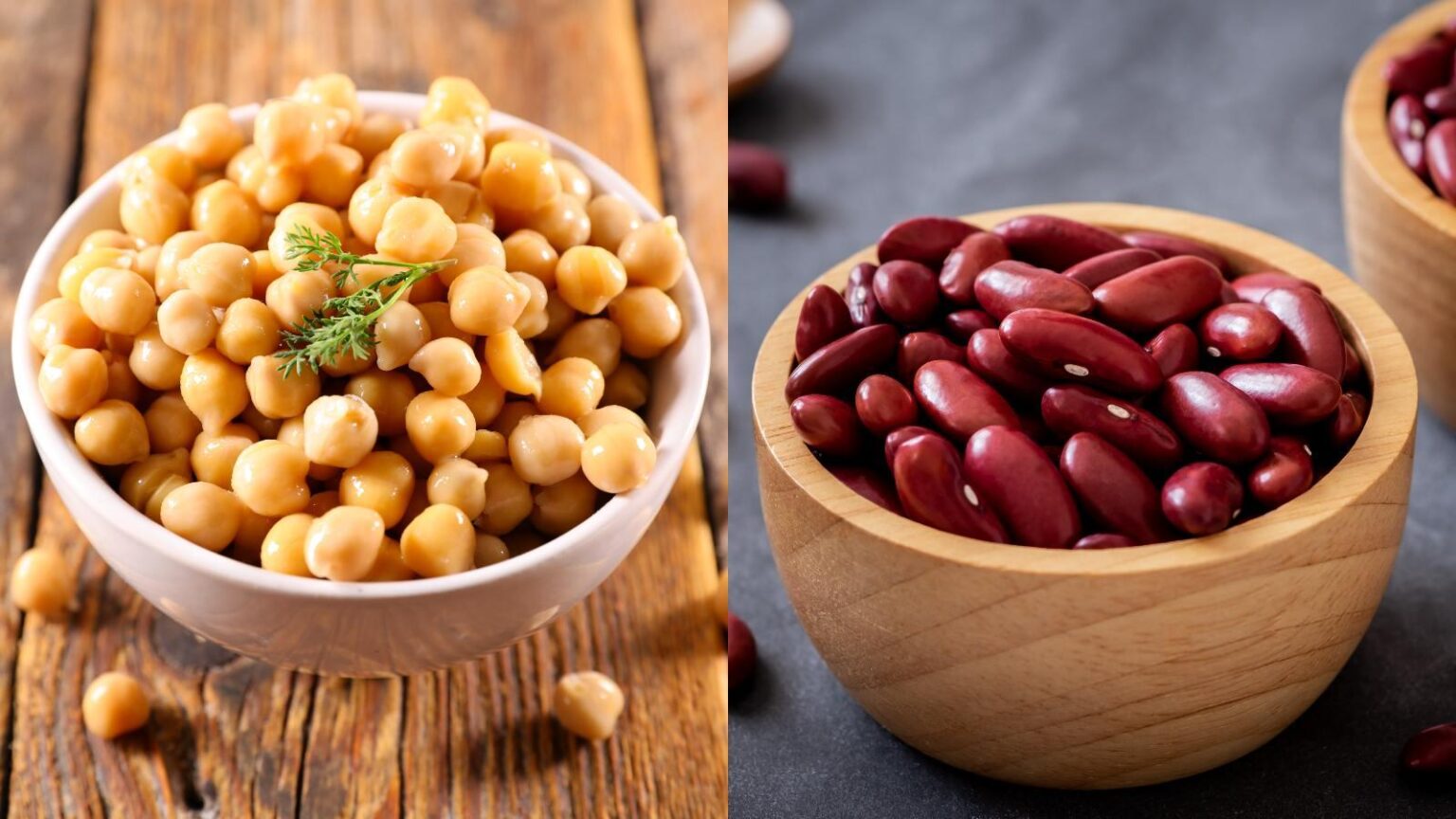
These legumes offer roughly 15g of protein per 100g (dry weight). They are also high in fiber, which increases satiety and helps regulate blood sugar levels.
6. Greek Yogurt and Hung Curd
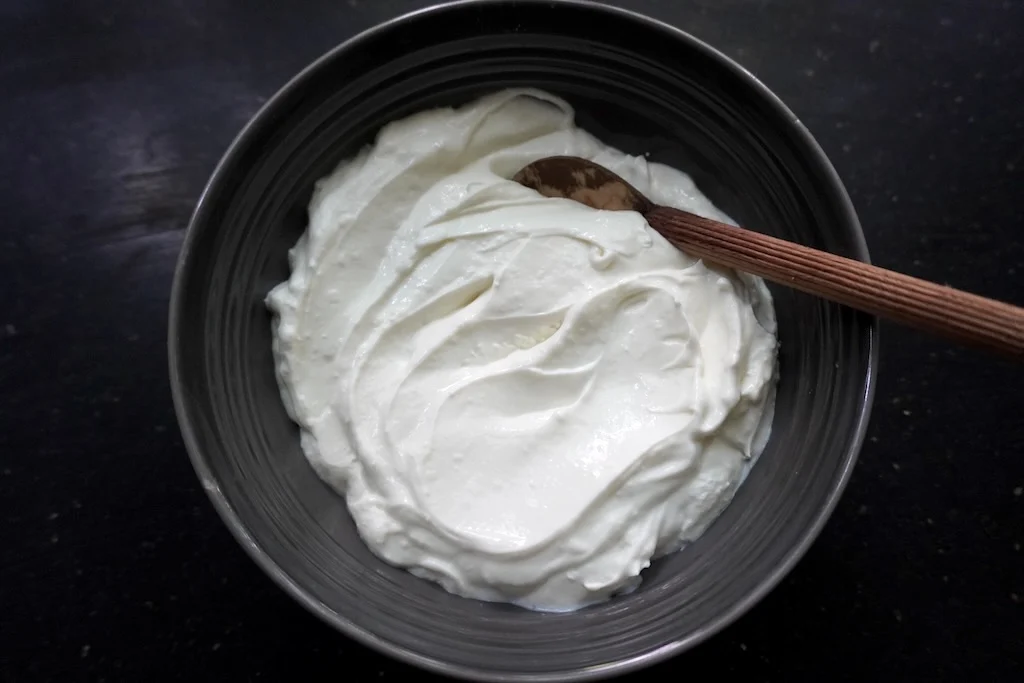
By straining the liquid (whey) from regular curd, you create Hung Curd, which concentrates the protein to 10–15g per 100g. It is also a natural probiotic that supports gut health and nutrient absorption.
7. Sprouts (Mixed Moong and Chana)
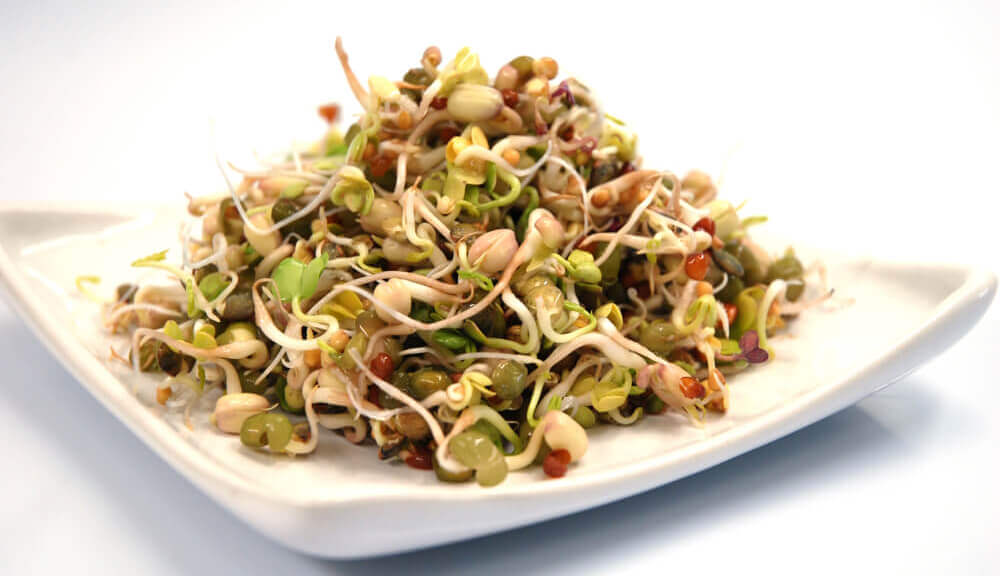
Sprouting increases the bioavailability of nutrients and makes them easier to digest. Soybean sprouts are the highest in this category, offering up to 13g of protein per 100g.
8. Millets (Ragi, Bajra)
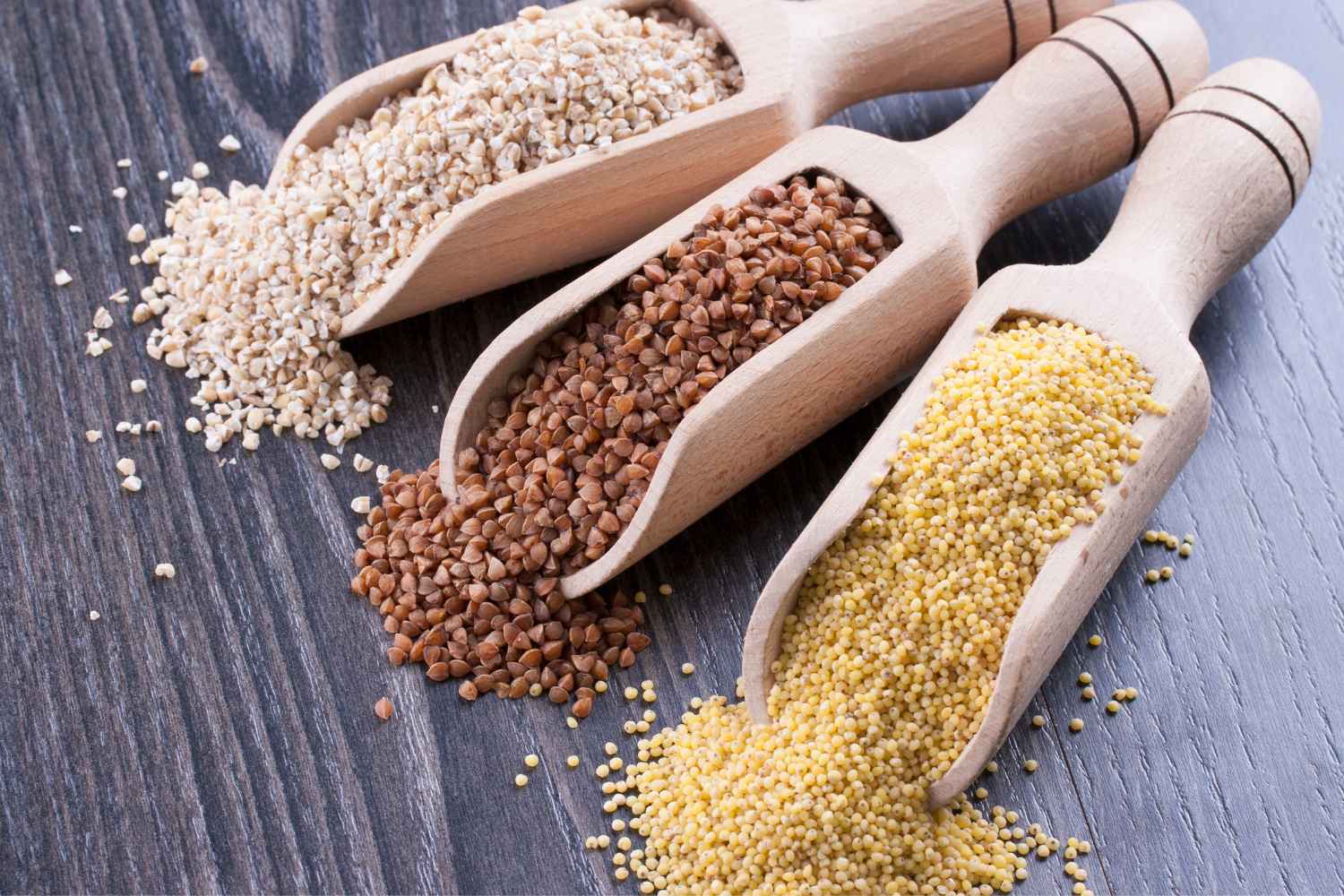
Millets provide 7–13g of protein per 100g and are also rich in calcium and fiber. They offer sustained energy release and are a great alternative to refined grains.
9. Peanuts (Moongfali)
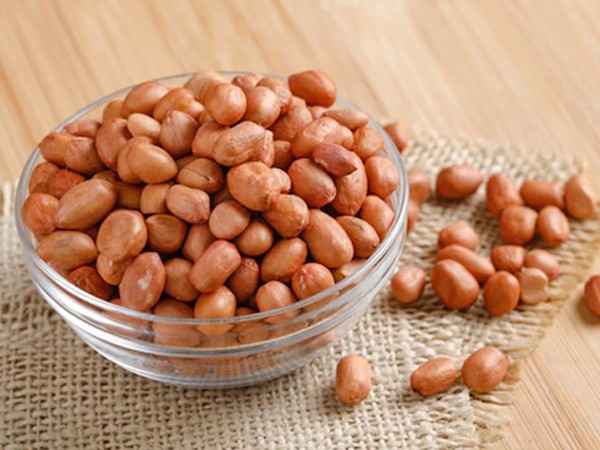
Peanuts are an affordable and accessible protein source, providing around 25–26g of protein per 100g. They also contain healthy fats that support heart health.
10. Almonds
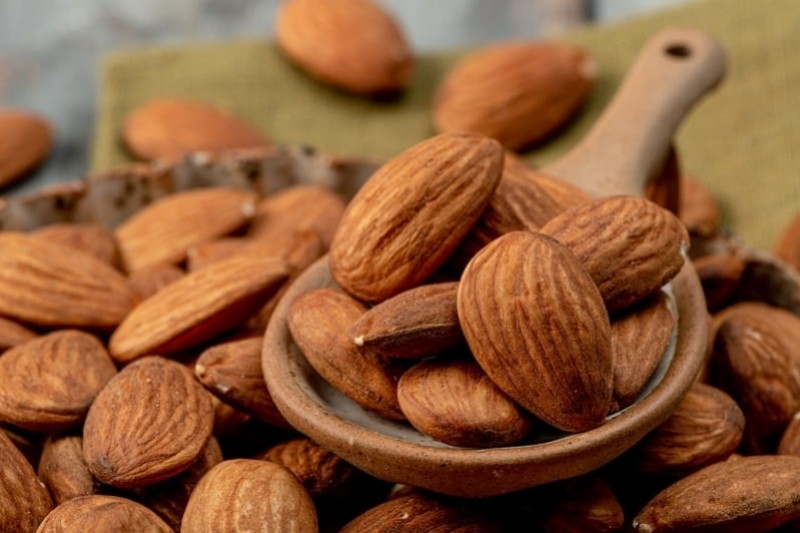
Almonds 20–25g of protein per 100g along with essential micronutrients like vitamin E and magnesium. They make for a convenient, nutrient-dense snack.
Comparative Protein Density Table
Food Item | Protein (per 100g) | Primary Benefit |
|---|---|---|
Soya Chunks | 52g | Complete plant protein; highly affordable |
Sattu (Chana) | 20–26g | "Desi protein powder"; high fiber & low GI |
Moong/Masoor Dal | 24–26g | High in iron/folate; foundation of Indian meals |
Paneer | 18–25g | Slow-digesting casein; supports muscle repair |
Chickpeas (Chana) | 19–20g | Rich in resistant starch; supports gut health |
Peanuts | 25–26g | Healthy fats + high protein |
Greek Yogurt | 10–15g | Probiotic-rich; improves digestion |
Millets (Ragi/Bajra) | 7–13g | High calcium; stable energy release |
Maximizing Your Protein Results
How to Improve Protein Digestibility
Many Indian plant proteins can cause bloating if not prepared correctly.
Soak and Sprout: Soaking lentils and chickpeas overnight reduces anti-nutrients like phytates, making the protein easier for your body to absorb.
Use Digest-Aid Spices: Adding a pinch of hing (asafoetida) or ginger to your dal preparations can significantly improve digestion.
The 3:1 Rule: For a balanced metabolic plate, aim for three portions of vegetables/sides for every one portion of grain.
Strategic Food Pairings for Complete Protein
Since many vegetarian sources lack specific amino acids, smart combinations are key:
Rice + Dal: Complements the amino acid lysine and methionine.
Roti + Paneer: Combines grain and dairy for a complete profile.
Track Your Macros Effortlessly with VoCal
Meeting your daily protein target (typically 1.6 to 2.2 grams per kg of body weight for active individuals) requires consistent tracking. VoCal is a voice-based calorie tracking app designed specifically for the Indian lifestyle.
Log by Speaking: Stop searching through complex databases. Simply say, "I had two moong dal chillas and a cup of curd," and VoCal logs the macros instantly.
Indian Language Support: VoCal understands your natural speech in Hindi, Tamil, Telugu, Marathi, Bengali, and more.
Desi-Centric Data: Unlike Western apps, VoCal is trained on real-world Indian dish variations like Rajma Chawal or Paneer Tikka, ensuring your protein counts are accurate.
Download VoCal today and start tracking your protein goals with just your voice.
Disclaimer: This content is for informational purposes only and does not constitute medical advice, diagnosis, or treatment. Always consult a healthcare professional before making significant dietary changes or managing a medical condition.