

Imagine walking out of a grueling workout. Your muscles are shaking, your energy is depleted, and your brain is screaming for fuel. Do you reach for the sleek shaker cup and do the "protein shake shuffle," or do you head home for the "Tupperware tango" with some chicken, rice, and broccoli?
The comparative efficacy of a processed protein shake vs real food is one of the most debated topics in modern fitness and nutrition circles. Protein is the ultimate biological building block, serving as the main source of the amino acids your body needs to repair tissue, keep your immune system strong, and build skeletal muscle. Your muscles actually act as a metabolic buffer, protecting you during periods of stress, illness, or dieting.
While the standard Recommended Dietary Allowance (RDA) is set at 0.8 grams per kilogram of body weight to prevent basic deficiencies, active individuals looking to build muscle or lose fat need significantly more—typically ranging from 1.2 to 2.4 grams per kilogram of body weight each day. But consistently hitting those targets can feel like a full-time job.
To bridge this gap, many turn to the ultimate convenience of protein powders, while others stick to the natural goodness of whole foods. Fortunately, modern tracking platforms like VoCal are designed to eliminate the friction of managing these daily nutritional targets through advanced, voice-first calorie and macro logging.
Liquid Protein vs. Solid Feasts: Which Keeps Your Stomach Fuller Longer?

When it comes to losing weight, the real battle isn't with the iron in the gym—it's with the cravings in your kitchen. This is where the concept of satiety (how full you feel after eating) becomes your absolute superpower. And as it turns out, whether you consume your nutrients as a protein shake vs real food drastically alters how your brain and gut talk to each other.
Your body regulates hunger using a complex network of stretch receptors in the stomach and satiety hormones in the gut, including Peptide YY (PYY), Cholecystokinin (CCK), and Glucagon-Like Peptide-1 (GLP-1). Solid foods require chewing, which slows down your eating rate.
This slower pace allows your body to release these hormone signals steadily. Furthermore, solid proteins like turkey, eggs, or lentils take up physical volume in your stomach, triggering stretch receptors that tell your brain, "Hey, we're full! Put the fork down."
Liquid calories from a protein shake, however, behave like a fast-moving storm. They completely bypass the chewing phase and empty from your stomach at an accelerated rate.
While a whey or plant-based shake will cause a rapid, short-lived spike in blood amino acids and insulin, it fails to stretch your stomach walls in the same way solid food does. This rapid transit means your hunger hormones bounce back quickly, leaving you eyeing the pantry just an hour or two later.
This appetite dynamic is incredibly important if you are trying a high-protein, low-carbohydrate eating plan. When people dramatically cut carbohydrates (below 130 grams a day), they often experience rapid weight loss in the first week or two.
But don't get too excited—this initial drop is mostly water weight. Your body stores carbohydrates as glycogen in the liver and muscles, and every single gram of glycogen binds about 3 to 4 grams of water.
When you cut carbs, your glycogen stores empty, and that water weight is quickly flushed out. Simultaneously, lower insulin levels cause your kidneys to shed sodium, which further accelerates the initial water drop.
To sustain actual, long-term fat loss beyond this watery illusion, you must maintain a steady caloric deficit. Solid, whole-food proteins are your best friends here because they delay gastric emptying and prevent the hunger spikes that liquid diets often cause.
Satiety and Transit Parameter | Solid Whole-Food Protein (e.g., Poultry, Eggs, Legumes) | Liquid Protein Supplement (e.g., Whey, Plant Isolates) |
Oral Processing Time | High; requires mastication, slowing overall ingestion rate. | Negligible; consumed rapidly with minimal sensory exposure. |
Gastric Emptying Rate | Slow; prolonged retention in the stomach for mechanical breakdown. | Rapid; bypasses initial mechanical digestion phases. |
Gastrointestinal Hormone Release | Sustained secretion of CCK, PYY, and GLP-1 over 3 to 4 hours. | Acute, transient spikes in GLP-1 and insulin, followed by rapid decline. |
Compensatory Energy Intake | Low; high compensatory response (individuals naturally eat less later). | High; poor compensatory response (leads to increased subsequent caloric intake). |
Bottom Line: If weight loss is your goal, solid real food is the clear winner over protein shakes. While shakes trigger a quick, transient release of satiety hormones, solid foods slow down your digestive tract and keep you feeling full for hours.
The Post-Workout Showdown: Shakes vs. Steak for Muscle Recovery and Growth
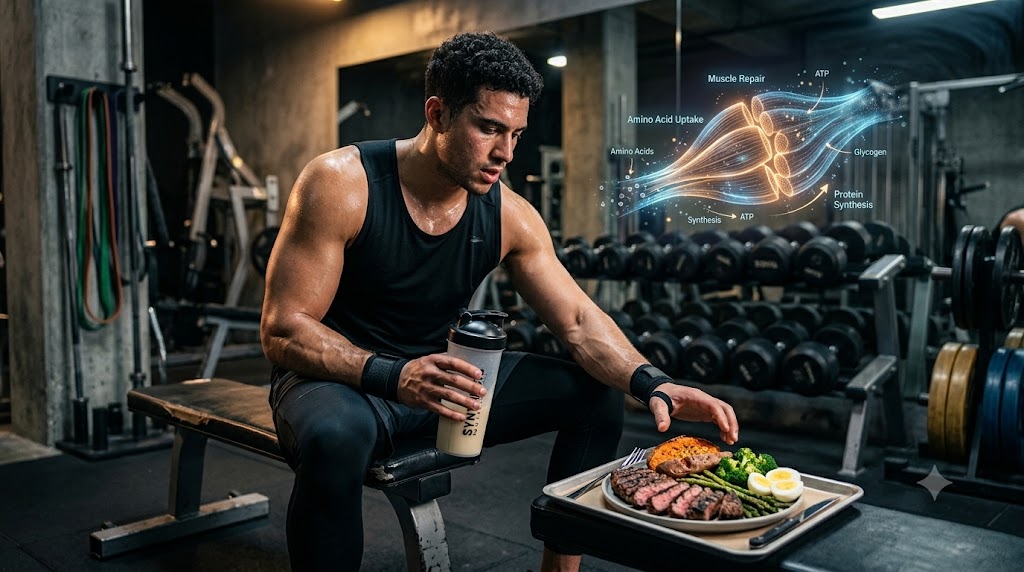
In the fitness community, the post-workout period is viewed as almost sacred. To kickstart recovery and muscle hypertrophy, your body relies on Muscle Protein Synthesis (MPS)—the cellular process of rebuilding and reinforcing muscle fibers.
For years, the "leucine trigger" hypothesis dominated sports nutrition. The idea was simple: to maximize MPS, you need a rapid, massive spike of essential amino acids (EAAs)—particularly leucine—in your blood to switch on the mammalian target of rapamycin complex 1 (mTORC1) pathway.
This is the exact playground where protein shakes have a massive advantage. Highly refined whey isolate or concentrate is incredibly soluble, digesting in as little as 60 to 90 minutes. It floods your bloodstream with high-quality amino acids rapidly, turning on the muscle-building machinery with maximum efficiency.
But does that mean solid foods are left in the dust? Not according to clinical research. Recent studies using advanced isotopic tracers have shown that whole-food proteins are just as effective at stimulating muscle protein synthesis, despite their slower digestion times.
For instance, a randomized trial compared drinking isolated egg whites to eating diverse whole foods (such as whole eggs, salmon, pork loin, and lentils) post-exercise. The result? Myofibrillar protein synthesis rates were virtually identical between the groups.
Another study evaluated mycoprotein (a whole-food, fiber-rich fungus) and found that consuming it as a whole food stimulated post-exercise muscle repair just as well as a highly processed mycoprotein extract, despite the extract causing a faster and higher blood leucine peak.
The landmark PRISE 2 clinical study tested this over 16 weeks. Researchers put active individuals on a protein-pacing diet (1.4 grams per kilogram of body weight spread across 6 meals) and paired it with a rigorous fitness program.
One group met their protein targets using whey shakes, while the other group relied strictly on whole foods. By the end of the study, both groups showed identical, significant improvements in muscle mass, strength, physical performance, and heart health.
These findings demonstrate that your muscles don't require an ultra-fast liquid delivery system. When it comes to long-term muscle adaptation, consistent daily protein intake is what truly moves the needle.
Bottom Line: Protein shakes are highly convenient and trigger a rapid, immediate spike in muscle-building pathways. However, solid real foods are equally effective at driving recovery and muscle growth over time, provided you hit your total daily protein targets.
Breaking Down the Food Matrix: Is Powdered Nutrition as Bioavailable as Whole Foods?
In modern nutrition, we are moving past the simplistic view of foods as just bundles of isolated macronutrients. Instead, researchers are focusing on the food matrix—the complex physical and chemical structure of whole foods that dictates how nutrients interact with each other and are absorbed by your body.
Whole-food protein sources are nutritional powerhouses because of this natural matrix. When you eat wild-caught salmon, you aren't just getting amino acids; you are absorbing highly bioavailable vitamin D, selenium, and cardio-protective omega-3 fatty acids.
When you eat plant proteins like lentils or black beans, you get essential minerals (iron, folate, potassium) along with prebiotic fibers that feed your gut microbiome, producing short-chain fatty acids (SCFAs) that protect your digestive health.
Protein powders, by contrast, are industrial products. The extraction process strips away the natural food matrix to concentrate the protein, leaving behind a highly refined powder. Furthermore, the bioavailability and digestibility of these proteins vary widely based on their source:
Animal Proteins: Meat, eggs, fish, and dairy are considered complete proteins because they contain all nine essential amino acids in the perfect ratios for human tissue. They also boast incredibly high digestibility rates of 90% or higher.
Plant Proteins: Whole plant foods often have lower levels of specific amino acids (like methionine in beans or lysine in grains) and lower overall digestibility (70% to 85%). This is because plant cells have rigid structures and contain natural antinutrients, such as phytates and tannins, which interfere with mineral and protein absorption.
The Plant Powder Exception: When plant foods are processed into isolated powders (like pea or soy isolates), the fibrous walls and antinutrients are largely removed. This elevates their digestibility and amino acid bioavailability to a level that closely rivals animal-based whey.
Protein Source Type | Digestibility Rate | Amino Acid Profile | Micro-nutritional Status |
Animal Whole Foods (Eggs, Beef, Salmon, Dairy) | Very High (90%); easily broken down by gastric enzymes. | Complete; high concentration of EAAs and leucine. | Rich; naturally contains B-vitamins, iron, zinc, selenium, and active lipids. |
Plant Whole Foods (Lentils, Chickpeas, Seeds) | Moderate (70% to 85%); limited by fiber and phytates. | Often Incomplete; typically low in leucine, methionine, or lysine. | Outstanding; rich in prebiotic fibers, potassium, magnesium, and phytochemicals. |
Processed Protein Shakes (Whey or Plant Isolates) | Extremely High (95%); engineered for rapid assimilation. | Complete; often optimized or blended to match standard EAA ratios. | Low; highly refined; stripped of natural cofactors, vitamins, and minerals. |
Bottom Line: Real food contains a natural food matrix that provides essential vitamins, healthy fats, and prebiotic fibers that support overall health. While protein powders are highly digestible, they lack the broad-spectrum nutritional benefits that nature provides.
Can Protein Shakes Replace Real Meals? The Hormonal and Digestive Risks of Over-Supplementing
It is tempting to look at a scoop of protein powder and think, "Why don't I just drink three of these a day and skip cooking?" While shakes are excellent tools for busy lifestyles, relying on them as meal replacements carries significant digestive and metabolic risks.
Now, there are times when supplementing with a clean, low-calorie shake makes perfect sense. If you are in a steep caloric deficit—such as an athlete preparing for a competition—your protein requirements skyrocket to prevent muscle wasting.
Under these conditions, it is incredibly easy to fall into a negative nitrogen balance. Using a low-calorie protein shake allows you to hit elevated protein targets (up to 2.3 grams per kilogram of body weight) without exceeding your daily energy budget.
However, replacing whole-food meals with liquid shakes on a regular basis can trigger a cascade of systemic issues:
Hormonal and Thyroid Disruption: Restricting real foods and carbohydrates too severely acts as a chronic stressor on your brain and body. It can disrupt your Hypothalamic-Pituitary-Adrenal (HPA) axis. This chronic stress suppresses leptin (the fullness hormone) and down-regulates thyroid function (lowering active T3 and T4 hormones) while sending your stress hormone, cortisol, through the roof. This hormonal storm can cause fatigue, low mood, muscle loss, and irregular menstrual cycles.
Digestive Distress: Your digestive system isn't designed to process massive, rapid liquid boluses of protein. If you consume more than 30 to 40 grams of liquid protein in a single sitting, you can easily saturate the absorptive capacity of your small intestine. The excess, undigested protein gets pushed into your large intestine, where colonic bacteria ferment it. The result? Bloating, severe flatulence, and uncomfortable digestive urgency.
Hidden Sugars and Calories: Many commercial protein powders contain artificial thickeners, chemical sweeteners, and heavy doses of added sugars to improve their flavor. Some mass-gainer shakes contain up to 23 grams of added sugars per serving, transforming a "healthy" supplement into a high-calorie drink that can trigger unwanted insulin spikes and fat storage.
To avoid these pitfalls, clinical nutritionists recommend a "food-first" approach built on the 80/20 rule: aim to get at least 80% of your daily protein needs from varied, whole-food sources, and use protein supplements for no more than 20% of your targets to bridge specific gaps.
Bottom Line: Shakes should never be used as total meal replacements. While they are useful for meeting elevated protein demands during intense training, overusing them can lead to hormonal imbalances, high stress levels, and painful digestive bloating.
The Supplement Wild West: Heavy Metals, Sugar Spikes, and False Label Claims
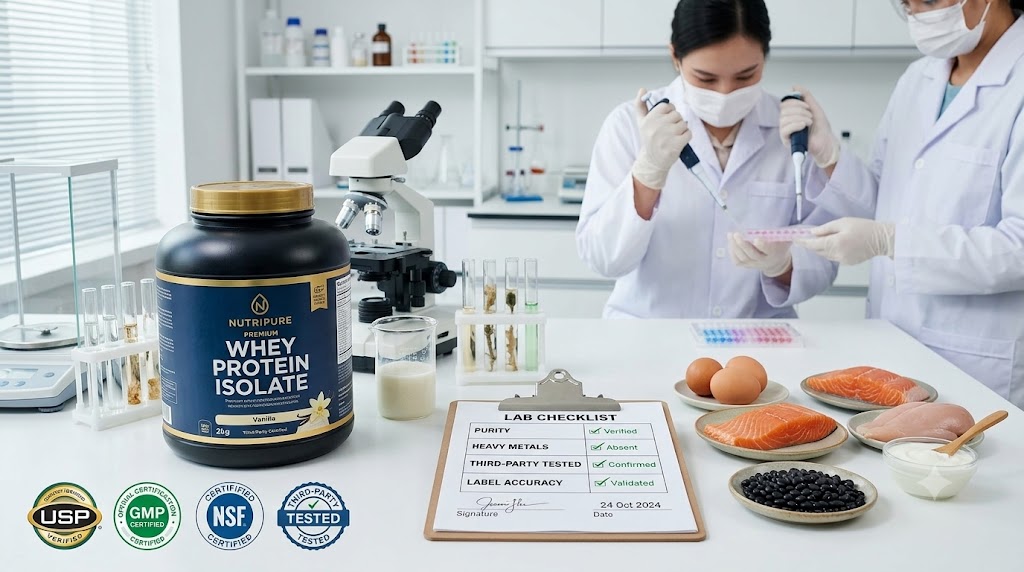
One of the most critical—and often overlooked—differences between a protein shake vs real food is how they are regulated and monitored for safety. While conventional whole foods are subject to strict safety standards, dietary supplements operate in a highly volatile regulatory environment.
In the United States, dietary supplements are regulated under the Dietary Supplement Health and Education Act (DSHEA) of 1994. Under this law, the FDA does not have the authority to approve dietary supplements for safety or efficacy, or review their labels, before they are sold to the public.
Instead, the burden of proof and safety lies entirely on the manufacturing companies. The FDA can only step in and take action after a product has hit the market and has been flagged for contamination, mislabeling, or serious adverse health events.
This hands-off regulatory structure has exposed several major quality control issues across the supplement industry:
Heavy Metal Contamination: Independent tests by organizations like the Clean Label Project and Consumer Reports revealed that roughly 40% of the 133 top-selling protein powders contained elevated levels of heavy metals, including lead, cadmium, arsenic, and mercury. Surprisingly, organic plant-based protein powders often had twice the heavy metal levels of non-organic options, because plant roots absorb these metals directly from agricultural soil.
BPA and Toxins: Many tested supplements contained detectable levels of bisphenol-A (BPA), an endocrine disruptor, with one popular product containing 25 times the allowed regulatory limit of BPA.
Nitrogen Spiking: To cut manufacturing costs, some companies add cheap, non-protein nitrogen compounds (like glycine, taurine, or creatine) to their powders. Standard laboratory tests measure total nitrogen to estimate protein content, allowing these "spiked" products to pass off cheap amino acids as complete dietary protein on their nutrition labels.
Nutraceutical vs. Pharmaceutical Standards: A laboratory study compared 18 medical-pharmaceutical whey brands against 16 sports-nutraceutical whey brands. While the sports brands showed tight agreement with their labels, the pharmaceutical brands averaged only 29.1 grams of protein per 100 grams, with 83% failing to match their labeled claims and 89% showing evidence of taurine-based nitrogen spiking.
Quality Assurance Parameter | Sports-Nutraceutical Whey Brands | Medical-Pharmaceutical Whey Brands | Whole Food Protein Sources |
Protein Content Agreement | High (75.6 g per 100 g); tightly matches label. | Poor (29.1 g per 100 g); 83% mislabeled by over 5%. | Absolute; inherently determined by the natural biology of the food. |
Nitrogen Spiking Prevalence | Low (12.5% of tested brands show spiking). | Extremely High (89% of tested brands show spiking). | Zero; impossible to chemically alter or spike. |
Contaminant Frequencies | Moderate; some risk of heavy metals/BPA from raw materials. | High; increased frequency of heavy metals, aflatoxins, and progesterone. | Minimal; subject to strict USDA/FDA pre-market testing and traceback. |
Regulatory Oversight | Voluntary third-party verification (NSF, USP, Informed Choice). | Standard food regulations; limited pre-market verification under DSHEA. | Direct USDA/FDA pre-market inspections and safety compliance. |
To protect yourself, always choose protein powders that carry voluntary, independent third-party certifications, such as NSF Certified for Sport, Informed Choice, or U.S. Pharmacopeia (USP). These seals guarantee that the product has been audited for purity, matches its label, and is free of dangerous contaminants.
Bottom Line: Unlike whole foods, protein powders are not pre-approved by the FDA. Many contain heavy metals, BPA, and hidden sugars, or undergo "nitrogen spiking." Choosing third-party certified products is essential for protecting your health.
Actionable Takeaways for Your Fitness Journey
To optimize your health, muscle gains, and fat loss, aim to integrate both whole foods and protein supplements using these evidence-based principles:
Build a Solid Whole-Food Baseline: Keep your focus on a "food-first" approach by applying the 80/20 rule—sourcing 80% of your protein from rich, whole foods like chicken, wild salmon, eggs, and fiber-packed legumes.
Utilize Shakes Strategically: Use high-quality protein powders as convenient tools (no more than 20% of your daily intake) to hit your macro targets when whole foods are unavailable or during rapid post-workout recovery windows.
Only Buy Third-Party Certified Powders: Protect yourself from heavy metals, BPA, and cheap nitrogen spiking by selecting products certified by NSF, USP, or Informed Choice.
Choose Solids for Satiety: If you are trying to lose weight, prioritize solid proteins over liquid shakes to keep your stomach full, slow down digestion, and keep hunger hormones at bay.
Ditch the Logging Stress: Track your daily protein intake and overall calories effortlessly with the VoCal voice-logging app to keep yourself accountable without the headache of manual typing.
Siri, Log My Shake: Ditching Food Logging Fatigue with VoCal
At the end of the day, whether you lean toward a protein shake vs real food, the single most important factor for success is consistency. If you don't track your daily calories and macros, you are essentially flying blind.
But let's be honest: traditional food logging is incredibly annoying. Typing in every ingredient, scanning barcodes, weighing portions, and dealing with "photo fatigue" makes tracking feel like a chore. This friction is why so many people abandon their fitness goals.
The VoCal app is designed to eliminate this exact roadblock. It replaces tedious manual database searches with a simple, voice-first tracking interface.
Instead of typing out a meal, you can log your food by speaking naturally: "For breakfast, I had three scrambled eggs, two slices of whole-wheat toast, and an avocado" or "I drank a 30-gram whey protein shake with water after my workout".
It easily recognizes regional phrasing, home-cooked dishes, and mixed meal portion styles. By converting your natural speech into accurate calorie and macronutrient data, VoCal takes the friction out of food logging, allowing you to focus on your progress and maintain consistency.
Bottom Line: The best nutrition plan is the one you can actually stick to. VoCal removes logging fatigue by letting you track both your whole-food meals and post-workout shakes simply by speaking in your preferred language.
Frequently Asked Questions (FAQs)
1. Is a protein shake better than real food for building muscle?
No. While protein shakes are highly convenient and absorb quickly, clinical studies show that solid whole-food proteins (like eggs, poultry, and fish) stimulate muscle protein synthesis and promote recovery just as effectively over time.
2. Can protein shakes cause stomach bloating and digestive issues?
Yes. Drinking more than 30 to 40 grams of liquid protein in a single sitting can saturate your small intestine's ability to absorb it. The excess protein travels to your large intestine, where bacteria ferment it, creating bloating, gas, and digestive discomfort.
3. Are organic plant-based protein powders safer than animal-based whey?
Not necessarily. Independent testing has shown that organic plant-based protein powders can contain up to twice the heavy metal levels (like lead and cadmium) of animal proteins, as plant roots absorb these metals naturally from agricultural soil.
4. What is "nitrogen spiking" in protein powders?
Nitrogen spiking is a cost-cutting practice where manufacturers add cheap amino acids (like glycine or taurine) to their powders. Standard lab tests measure total nitrogen to estimate protein content, allowing spiked products to show falsely high protein levels on their nutrition labels.
5. How can I easily track both my whole foods and protein shakes?
You can use the VoCal app (available at ). Rather than typing out database entries, you simply speak naturally in English, Hindi, or any of 11 supported languages, and the app instantly logs your macros and calories.
Disclaimer: This article is for informational and educational purposes only and does not constitute individual medical advice, diagnosis, or treatment. Always consult a qualified healthcare professional or registered dietitian before starting any new diet, supplement, or exercise program.