
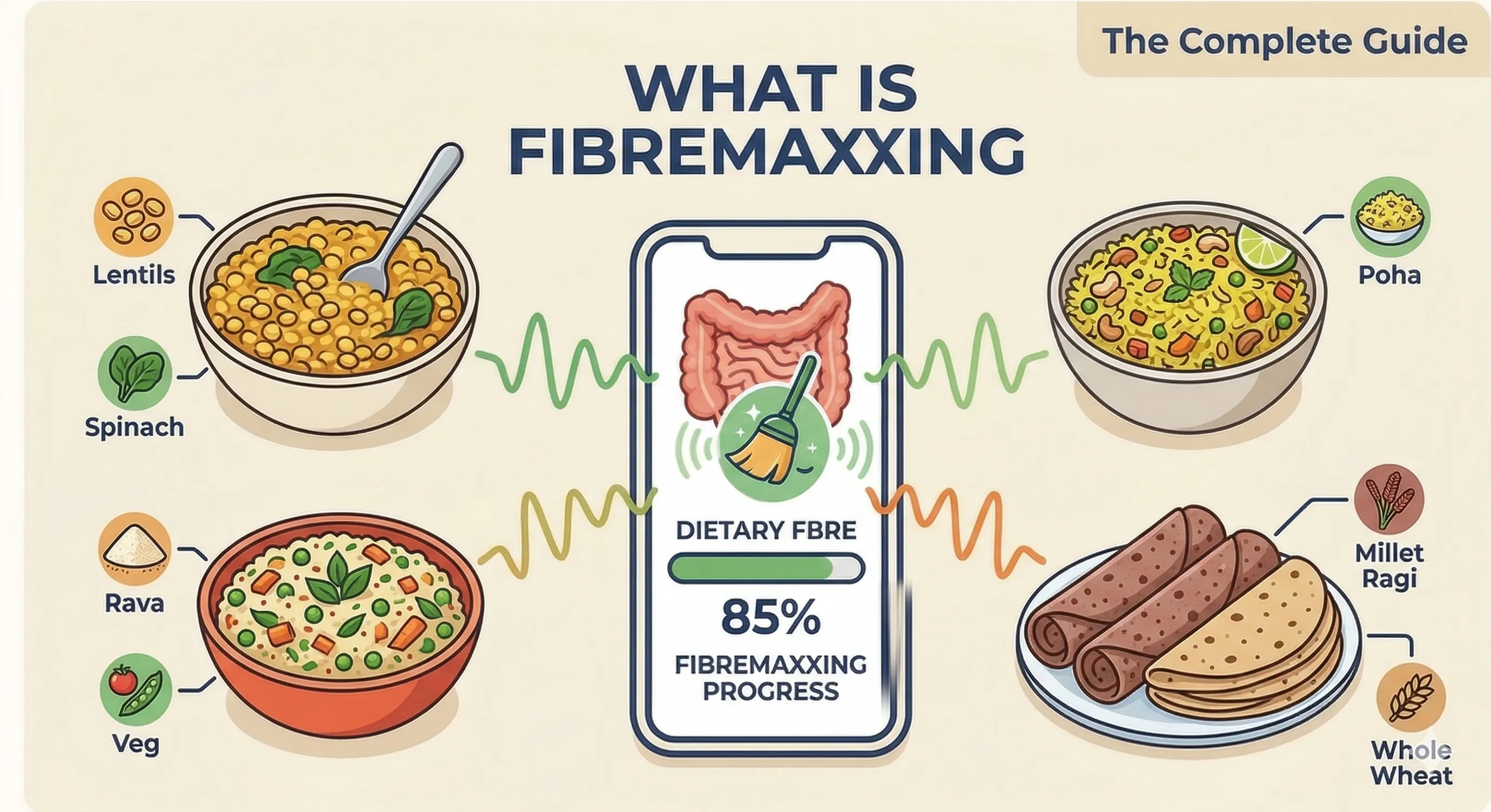
In 2026, the Indian wellness landscape has shifted. While the last few years were dominated by "protein-maxxing" and keto-clones, the new frontier of microbiome optimization is fibremaxxing. From urban centres like Mumbai and Bengaluru, this trend has exploded on social media, with the hashtag #fibremaxxing crossing 150 million views worldwide.
But while the movement correctly identifies a massive nutritional gap in the modern Indian diet, it raises a critical question for our kitchens: Is there a limit to how much ragi, dal, and sabzi we should be stacking in a single day?
The Great Indian "Fibre Gap"
"Maxxing" is digital-native slang for the extreme optimization of a specific health attribute. In the Indian context, fibremaxxing is a response to our changing dietary habits. While traditional Indian meals were naturally high in roughage, the shift toward refined flours (maida), polished rice, and ultra-processed snacks has created a crisis.
The ICMR-National Institute of Nutrition (NIN) 2024 guidelines recommend that Indian adults consume between 25g and 30g of fibre per day. Yet, the average urban Indian currently consumes only about 15g daily. Fibremaxxing aims to bridge this 15-gram gap to unlock benefits ranging from blood sugar stability to heart protection.
Simple Swaps for Your Thali
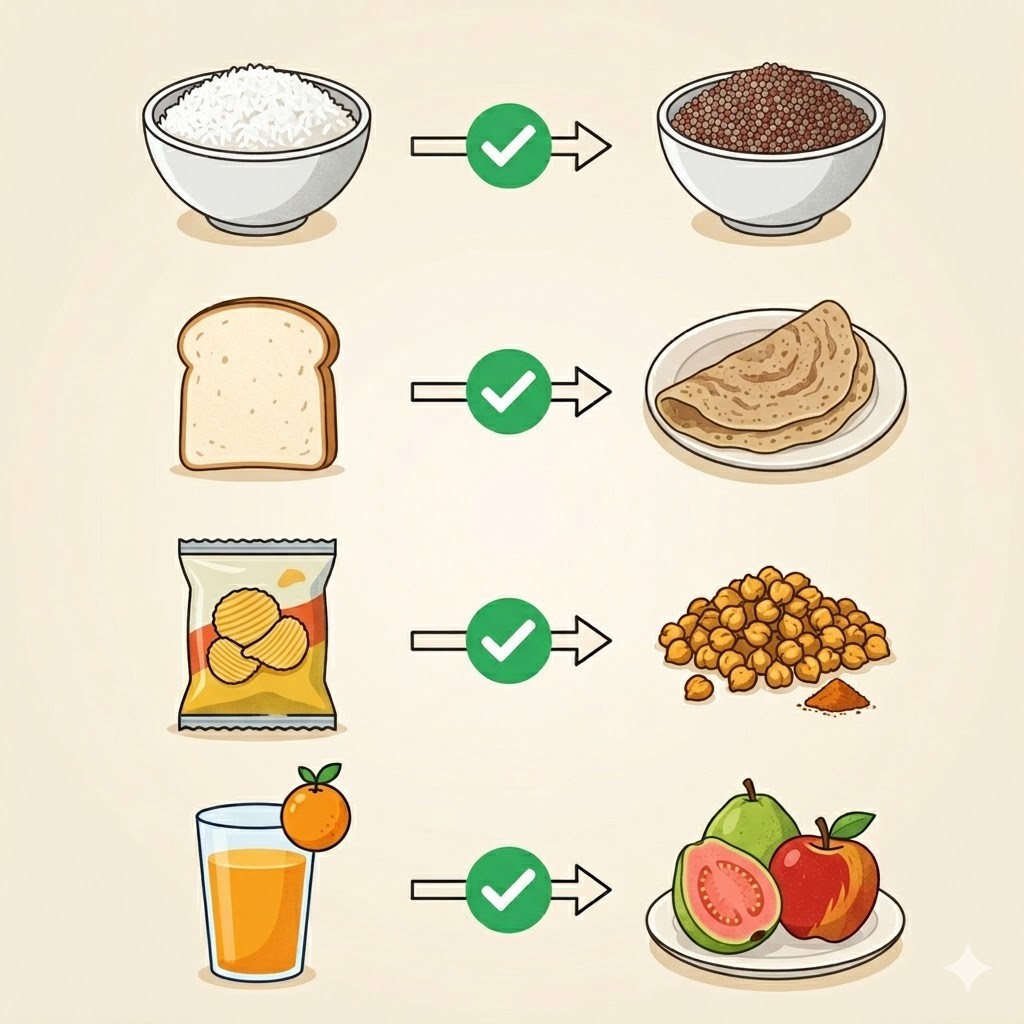
Closing the fibre gap doesn't require a total diet overhaul. Small substitutions in daily staples can significantly boost your intake:
Daily Staple | Fibremaxxed Indian Swap | Fibre Boost (Approx.) |
Polished White Rice | Millets (Ragi, Bajra, or Jowar) | +3–8g per cup |
White Bread or Maida Roti | Moong Dal or Besan Cheela | +4–6g per serving |
Potato Chips or Biscuits | Roasted Chana or Makhana | +5–7g per bowl |
Fruit Juice or Peeled Fruit | Whole Guava or Apple (with skin) | +4–9g per fruit |
Plain Wheat Roti | Multigrain Roti (Wheat + Chana/Soy) | +2–4g per roti |
How Much is "Too Much"? Finding the Sweet Spot
While influencers often advocate for "maxxing" out intake to 50g or more, Indian clinical dietitians warn against the "more is always better" mindset.
The Risks of Over-Maxxing
Pushing intake to extremes without a "low and slow" approach can lead to significant discomfort:
The "Bloat" Factor: Sudden spikes in high-fibre foods like bajra or raw salads cause gut bacteria to ferment at high speeds. This leads to bloating, abdominal cramping, and embarrassing gas.
Mineral Interference: Excessive fibre (above 50g–70g/day) can bind to essential minerals like calcium, iron, and zinc—nutrients that are already of public health concern in India—preventing your body from absorbing them.
Hydration blockages: Fibre requires water to move. If you increase your intake of ragi or psyllium husk (Isabgol) without drinking enough water, it can actually cause severe constipation or, in rare cases, bowel obstructions.
Quality Over Quantity: The 30-Plant Rule
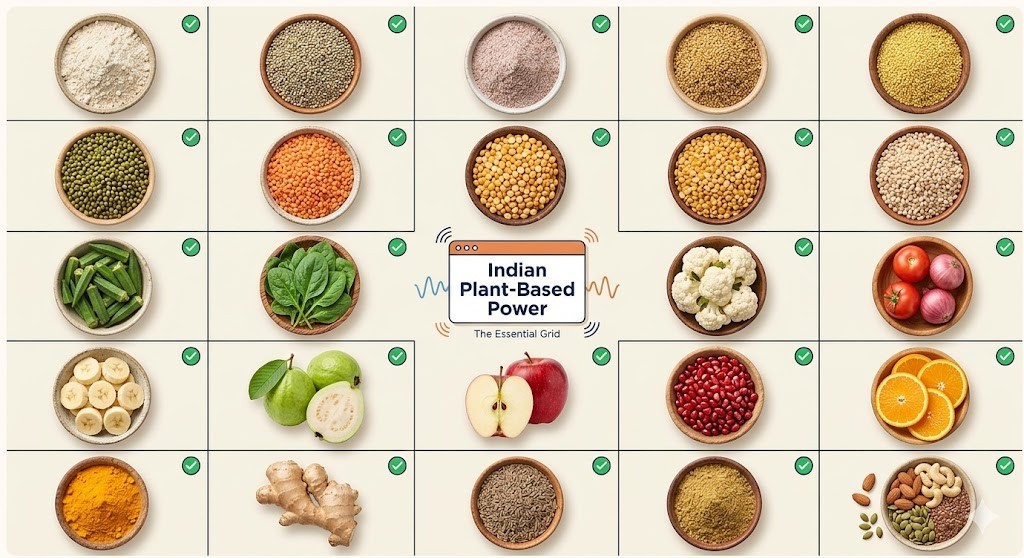
The latest evolution, "Fibremaxxing 2.0," focuses on diversity rather than just raw volume. Research from the American Gut Project, echoed by Indian nutritionists, suggests that eating 30 different types of plants per week is the gold standard for gut health.
In an Indian kitchen, this is surprisingly easy to achieve:
Millets: Swapping white rice for Jowar, Bajra, or Foxtail millet (Kangni).
The "Panch Dal" Strategy: Using a variety of lentils (Masoor, Moong, Chana, Toor, Urad).
The Spice Count: Turmeric, ginger, cumin, and coriander all contribute to your plant diversity count.
Diverse fibre intake supports the production of short-chain fatty acids (SCFAs) like acetate , propionate , and butyrate. These molecules are the primary fuel for your colon cells and act as powerful anti-inflammatory agents throughout the body
How to Fibremaxx Safely in India
The "Low and Slow" Protocol: Increase your intake by only 3–5 grams per week. Start by replacing your morning toast with a Moong Dal Cheela or Ragi Dosa.
Hydrate for Success: Aim for at least 2.5–3 litres of water daily, especially if you are increasing your intake of millets or legumes.
Traditional Ferments: Pair your fibre-rich meals with Chaas (buttermilk) or Dahi. The probiotics in these ferments work synergistically with fibre to optimize digestion.
Effortless Tracking with Vo-cal Voice AI
The primary barrier to successful fibremaxxing is the "friction" of manual tracking. Logging a complex Indian thali—with its various dals, sabzis, and rotis—is tedious and leads to "tracking fatigue".
Vo-cal addresses this through voice-activated nutritional surveillance. Instead of searching endless databases, you simply speak into your phone:
"I just had two multigrain rotis, a bowl of moong dal, bhindi sabzi, and a cup of curd."
Our AI instantly parses the ingredients, updates your fibre grams, and tracks your progress toward the "30 Plants a Week" goal in under 15 seconds. Voice logging is up to 10x faster than typing, helping you maintain the consistency required to actually change your gut microbiome.
FAQs
What are the best Indian foods for fibremaxxing?
Guava (9g fibre/fruit), Ragi (15–20% fibre content), and various dals (15g/cup cooked) are the highest-density sources in the Indian diet.
Is fibremaxxing safe for diabetics?
Yes. High-fibre diets help stabilize blood sugar by slowing down glucose absorption, which is critical for managing Type 2 diabetes. However, consult your doctor to adjust your medication as your diet changes.
Can I just use Isabgol (Psyllium)?
While psyllium is an excellent supplement, it lacks the polyphenols and micronutrients found in whole plants. Focus on "real food" first.
Disclaimer: This article is for informational purposes and does not constitute medical advice. Consult a healthcare provider or a registered dietitian before making significant dietary changes, especially if you have IBS or other gastrointestinal conditions.