

Picture this: You are sitting at a sleek wooden sushi bar. The chef is looking at you, chopsticks are poised, and you are staring down the menu. Your eyes drift from the deep, velvety red tuna to the rich, marbled orange-red salmon. Both look gorgeous, both taste amazing, but that little voice in your head is asking: salmon vs tuna which is healthier?
Is one of them secretly a nutritional superhero while the other is just a tasty sidekick? The truth is, both of these ocean heavyweights are absolute champions, but they serve completely different fitness goals. Whether you want to build lean muscle, protect your heart, or just avoid a massive sodium bomb, we have broken down the ultimate showdown between wild sockeye salmon and ahi tuna.
The Nutrition Showdown: Ahi Tuna vs Sockeye Salmon Nutrition
Let’s get straight to the facts. Sockeye salmon is like the wild, outdoorsy sibling—robust, flavorful, and loaded with healthy, heart-boosting fats. Ahi (yellowfin) tuna is the high-performance athlete of the sea—sleek, lightning-fast, and packed with pure, ultra-lean protein.
Here is how these two popular options stack up head-to-head in a raw, 100-gram (about 3.5 ounces) serving:
Nutrient Component | Wild Sockeye Salmon (Raw, 100g) | Ahi / Yellowfin Tuna (Raw, 100g) |
Energy (Calories) | 131 kcal | 109 kcal |
Protein | 22.2 g | 24.4 g |
Total Lipid (Fat) | 4.69 g | 0.49 g |
Saturated Fat | 0.814 g | 0.170 g |
Polyunsaturated Fat | 1.12 g | 0.147 g |
Omega-3 (EPA + DHA) | ~1.0 g | ~0.1 g |
Vitamin D | 12.0 mcg | 1.7 mcg |
Vitamin B12 | 3.99 mcg | 2.08 mcg |
Selenium | ~30.0 mcg | 90.6 mcg |
Potassium | 312 mg | 441 mg |
Sockeye Salmon: The Satiety and Brain-Boosting Champion
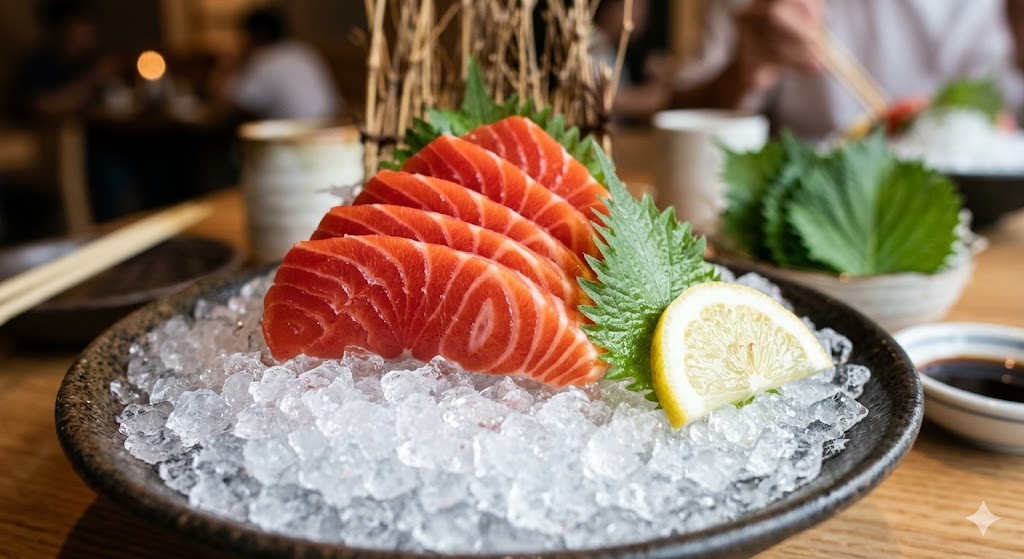
If you are looking for long-lasting energy, maximum heart protection, or a major brain boost, sockeye salmon easily takes the crown.
The Omega-3 Jackpot
Yes, sockeye salmon has slightly more calories than ahi tuna, but those calories are coming from premium-grade, heart-healthy omega-3 fatty acids (EPA and DHA). Sockeye packs nearly ten times more omega-3s than yellowfin tuna! These essential fats are clinical powerhouses that lower triglycerides, reduce joint stiffness, and help keep your blood pressure in a happy place.
Real Brain Food
DHA is a major structural building block of your brain, making up about 40% of its polyunsaturated fats. Eating sockeye is basically like giving your brain cells a luxurious spa day, directly supporting memory, mood, and mental clarity.
Natural Astaxanthin (No Artificial Dye Here!)
Ever wonder why sockeye is so vibrantly, beautifully red? It is because of astaxanthin, a super-antioxidant that wild salmon get from their natural diet of krill and zooplankton. Astaxanthin serves as a cellular shield, fighting inflammation, boosting mitochondrial energy, and even protecting your skin from UV damage.
Ahi Tuna: The Ultimate Lean Muscle Builder
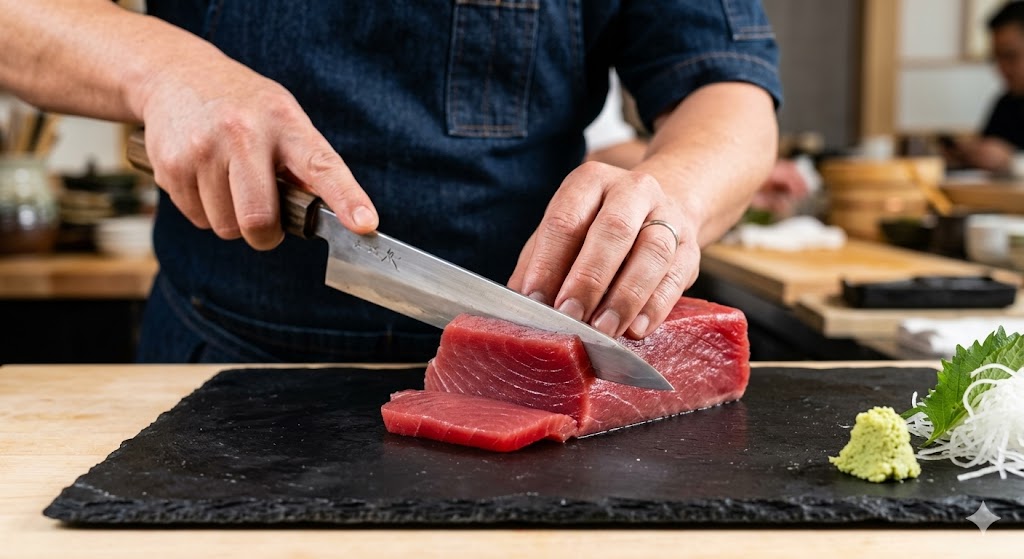
On the flip side, if you are strictly counting calories or trying to squeeze every gram of protein out of your meal, ahi tuna is your gold standard.
96% Pure Protein
Raw yellowfin tuna is basically a high-grade protein shake in fish form. A whopping 96% of its calories come straight from complete protein. For a tiny 109 calories per serving, you get an incredible 24.4 grams of muscle-building protein and practically zero fat. This makes it a beloved staple for athletes and anyone trying to maintain a calorie deficit without sacrificing muscle.
The Selenium Shield
Ahi tuna is a selenium superstar, offering 90.6 micrograms per serving (well over 160% of your daily value). Selenium is a crucial mineral that keeps your thyroid humming and your immune system strong. Plus, yellowfin is loaded with energy-boosting B-vitamins like niacin (B3) and B6 to keep your metabolism fired up.
Is Salmon or Tuna Sushi Healthier? Let’s Talk Safety and Mercury
Let's address the heavy metal in the room: mercury. Predatory fish that live longer and sit higher on the food chain naturally accumulate more mercury over time. Because tuna is a large predator, it contains significantly more mercury than sockeye salmon, which feeds lower on the chain.
Here is how different sushi favorites rank according to the FDA and EPA:
Fish Species | Average Mercury Concentration (ppm) | FDA/EPA Safety Category | Safe Weekly Consumption Limit (Adults) |
Wild Sockeye Salmon | 0.017 – 0.022 ppm | Best Choice | 2 – 3 servings per week |
Canned Light Tuna | 0.126 ppm | Best Choice | 2 – 3 servings per week |
Albacore (White) Tuna | 0.350 ppm | Good Choice | 1 serving per week |
Yellowfin (Ahi) Tuna | 0.354 ppm | Good Choice | 1 serving per week |
Bigeye Tuna | 0.689 ppm | Choice to Avoid | Avoid entirely |
The Safety Verdict
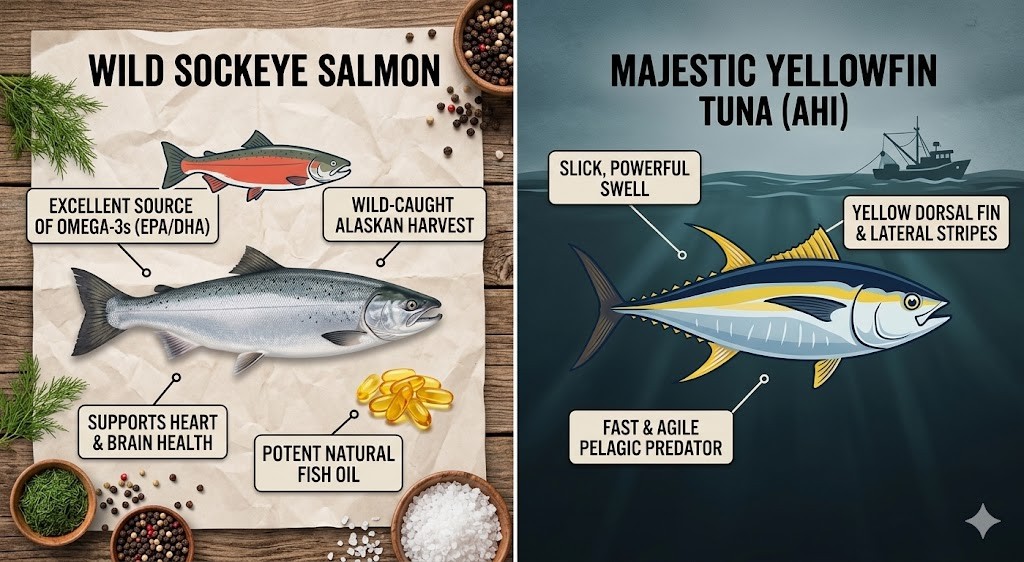
Because wild sockeye salmon has incredibly low mercury levels, you can safely enjoy it multiple times a week. Yellowfin (ahi) tuna, however, sits in the "Good Choice" category, meaning adults should limit it to one serving per week to prevent heavy metal buildup.
(Note: If you are pregnant or breastfeeding, the FDA recommends skipping raw fish entirely and sticking to cooked, low-mercury options).
Ordering Smart at the Sushi Bar
Even the healthiest fish can lose its wellness magic if it is smothered in high-calorie extras. When deciding is salmon or tuna sushi healthier on a night out, preparation is everything:
Choose Sashimi or Nigiri: Sashimi (slices of raw fish without rice) is the ultimate low-carb, keto-friendly choice. Nigiri (fish over a small bed of seasoned rice) offers a perfect, clean balance of protein and carbs.
Watch out for Maki (Rolls): A single standard roll can pack up to a full cup of white rice seasoned with salt, vinegar, and added sugar.
Dodge the Calorie Traps: Skip rolls featuring "tempura" (deep-fried), cream cheese, sweet soy glazes (eel sauce), or heavy spicy mayo. A simple tuna roll is around 250 calories, but a loaded specialty roll can easily climb past 500 calories and provide a whole day's worth of sodium!
Keep Your Tracking Simple with Your Voice
Savoring your sushi dinner with friends should be relaxing, not a math homework assignment. Manually typing in every piece of salmon sashimi, ginger slice, and nigiri roll into a traditional tracking app can feel like a chore.
That’s where the VoCal app comes in. As a premier voice-based calories tracking app, VoCal lets you log your meals in a quick 15-second voice message. Just tap the microphone and speak naturally: "I had six pieces of sockeye salmon sashimi and a seaweed salad." VoCal's advanced AI instantly identifies the dishes, estimates portion sizes, and logs your calories and macros with over 95% accuracy. It is hands-free, completely hassle-free, and designed to keep you consistent without slowing down your life.
FAQs
Is sockeye salmon or ahi tuna sushi healthier during pregnancy?
Cooked sockeye salmon is the clear winner here. It is exceptionally low in mercury (0.017–0.022 ppm) and rich in DHA, which is essential for your baby's developing brain. Pregnant individuals should avoid all raw fish (including raw sushi and sashimi) due to the risk of foodborne bacteria, and limit cooked ahi tuna to a maximum of one serving per week due to its moderate mercury levels. Always consult with a healthcare professional regarding dietary choices during pregnancy.
Does cooking ahi tuna or sockeye salmon alter their nutritional profiles?
Only slightly! While high-heat cooking can degrade a tiny fraction of the heat-sensitive omega-3 fats, standard methods like baking, light pan-searing, or grilling keep the vast majority of nutrients perfectly intact. Cooking actually reduces water weight, concentrating the amount of protein and minerals per ounce.
Why is sockeye salmon so much redder than other salmon species?
It is entirely natural! Sockeye salmon feed extensively on krill and tiny crustaceans loaded with a powerful antioxidant carotenoid called astaxanthin. They accumulate three to six times more astaxanthin in their flesh than farmed Atlantic salmon, giving them that stunning, unmistakable deep red color.
Disclaimer: This article is for informational purposes only and does not substitute for professional medical advice, diagnosis, or treatment.