
We’ve all been there: It’s 10:00 PM, you’re curled up on the couch, and suddenly the kitchen is calling your name. For vegetarians, this evening "snack attack" can be especially tricky. While plant-based diets are packed with fiber, they can sometimes leave you low on specific nutrients or protein, sending your hunger hormones into overdrive once the sun goes down.
Nighttime overeating isn't just about willpower; it’s a battle with your biology. Your internal "clock" (circadian rhythm) regulates hunger hormones like ghrelin and satiety signals like leptin. When these get out of sync—usually due to stress or skipped daytime meals—your brain starts hunting for quick energy.
If you’re wondering how to stop overeating at night on a vegetarian diet, you’re in the right place. Here are 10 science-backed, vegetarian-friendly strategies to help you close the kitchen for good.
1. Power Up with High-Satiety Plant Proteins
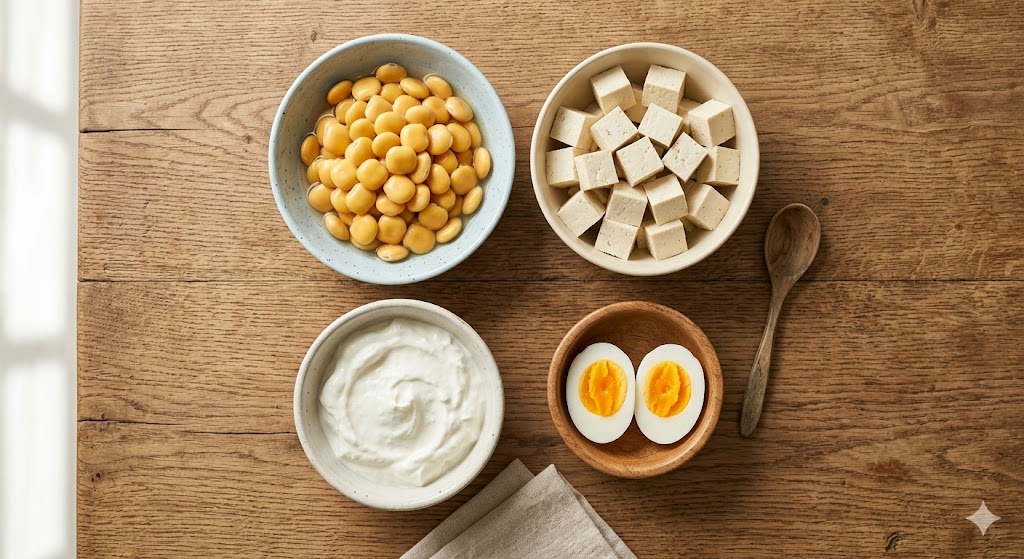
Protein is the "king" of fullness. It triggers the release of hormones like peptide YY (PYY) that tell your brain you're satisfied. For vegetarians, the trick is picking proteins that offer the most "bang for your buck."
Lupini beans and extra-firm tofu are superstars here because they are dense and slow to digest.
Vegetarian Protein Source | Protein (g) per Serving | Satiety Factor | Key Benefit |
Lupini Beans (1 cup) | 26g | 93 | High protein and fiber combo |
Extra Firm Tofu (1 cup) | 24g | 89 | Complete amino acid profile |
Greek Yogurt (1 cup) | 15–30g | High | Slow-release casein protein |
Hard-Boiled Eggs (2) | 12g | High | Suppresses later energy intake |
Bottom Line: Aim for at least 20–30 grams of protein at dinner to keep the "hunger gremlins" away until morning.
2. Master the Art of "Volumetric" Eating
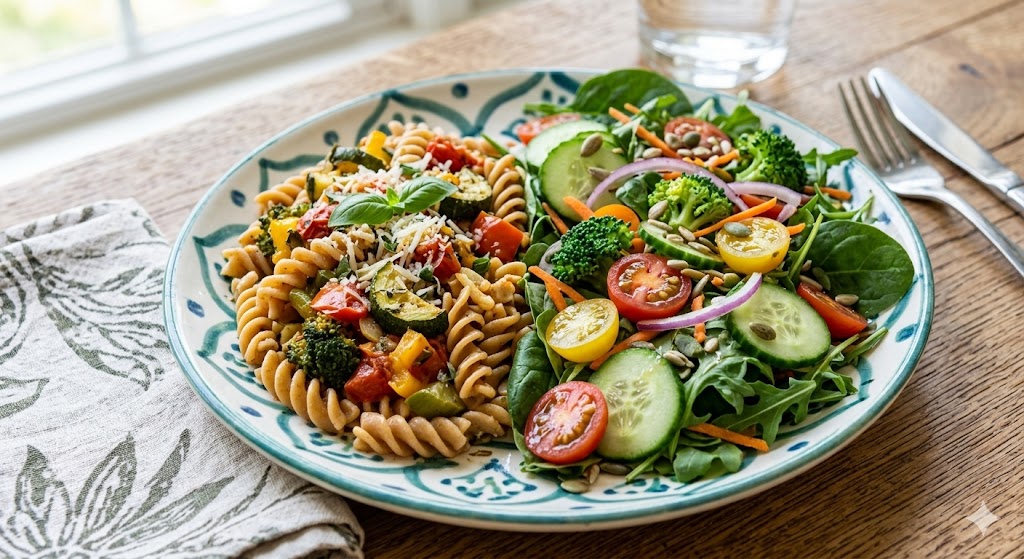
Ever heard of eating more to lose weight? Volumetric eating focuses on low-energy-density foods—mostly water-rich veggies—that physically stretch your stomach. This sends a signal to your brain via the vagus nerve that you are full.
Try the "Salad First" strategy: Eat a large salad (leafy greens, cucumbers, tomatoes) before your main pasta or grain dish. Research shows this can reduce your total calorie intake for the meal by about 123 calories!
High-Fiber Veggie | Energy Density | Mechanism of Fullness |
Boiled Potatoes | Low | Highest satiety index (323%) |
Oats/Oatmeal | Low | Soluble fiber slows digestion |
Chia Seeds | Moderate | Absorbs water to increase volume |
Broccoli | Very Low | High water; triggers fullness sensors |
Bottom Line: Fill half your dinner plate with non-starchy vegetables to trigger physical fullness signals early.
3. Stop "Morning Anorexia" by Front-Loading Calories
Many nighttime eaters suffer from "morning anorexia"—a total lack of appetite when they wake up. This happens because the heavy intake from the night before suppresses your morning hunger hormones.
To break this cycle, you have to "front-load" your calories. Even if you aren't starving, eating a protein-rich breakfast helps reset your metabolic clock and prevents a "rebound" binge in the evening.
Bottom Line: Eat your biggest meals during daylight hours when your body is best at processing nutrients.
4. Check Your "Hidden Hunger" (B12 & Iron)
If you’re missing key micronutrients, your brain might keep the "hunger" switch on regardless of how many calories you eat. This "hidden hunger" is common in vegetarians who might be low on Vitamin B12 or Iron.
Nutrient | Source | Impact on Hunger |
Vitamin B12 | Fortified cereal, eggs | Supports impulse control |
Iron | Lentils, pumpkin seeds | Prevents fatigue-driven eating |
Magnesium | Almonds, bananas | Regulates your "sleep clock" |
Bottom Line: Ensure you’re meeting your B12 and Iron needs to keep your energy stable and your brain's "stop" signal working.
5. Use Frictionless Tracking with VoCal
One reason we overeat at night is "decision fatigue." After a long day, tracking calories feels like a chore. Voice-based apps like VoCal remove this hurdle. Instead of typing or searching databases, you just say, "I had a bowl of dal and two rotis."
Logging your food in real-time creates "mindfulness". When you know you're going to log that extra midnight snack, you're much less likely to eat it.
Feature | Manual Apps | Voice-Based AI (VoCal) |
Time Required | 5–15 minutes | ~15 seconds |
Complexity | High (Search/Weigh) | Low (Natural Speech) |
Database | Often Western-only | Specialized for Indian/Complex meals |
Bottom Line: Use voice tracking to stay accountable without the "app fatigue" that leads to quitting.
6. Implement a "Digital Sunset"
Your phone's blue light isn't just keeping you awake; it’s making you hungry. Blue light suppresses melatonin, which is the hormone that tells your body it’s time to rest and fast. When melatonin is low, your body stays in an "alert" state that's prone to snacking.
Try a "digital sunset": Turn off screens 60 minutes before bed. Swap the scrolling for a book or meditation.
Bottom Line: Less blue light equals better melatonin, which helps keep your nighttime appetite in check.
7. Sip on Strategic Satiety (Teas & Water)
Sometimes your brain confuses thirst for hunger. Before you reach for the chips, drink 8–16 ounces of water. This creates temporary "gastric distension" (a full stomach) and gives the craving a chance to pass.
Herbal teas are also great evening allies:
Fenugreek Tea: High in soluble fiber; clinically shown to increase fullness.
Peppermint Tea: The strong flavor acts as a sensory "stop" sign for your taste buds.
Chamomile: Reduces stress-related "emotional" hunger.
Bottom Line: Use herbal tea as a calorie-free evening ritual to soothe your mind and fill your stomach.
8. Know the Difference: Habit vs. Syndrome
Is it just a bad habit, or is it Night Eating Syndrome (NES)? NES is a clinical condition where people eat more than 25% of their daily calories after dinner or wake up at night specifically to eat.
Symptom | Common Habit | Night Eating Syndrome (NES) |
Timing | Mostly evening | Post-dinner + middle of the night |
Morning | Usually hungry | "Morning Anorexia" (No appetite) |
Control | Can choose to stop | Feels like a "need" to eat to sleep |
Bottom Line: If you feel you must eat to fall asleep, consider talking to a healthcare professional about NES.
9. Neutralize Your "Trigger Foods"
Banning foods often makes you want them more. This "psychological scarcity" leads to binging when your willpower is low at night.
The fix? Habituation. Regularly incorporate your "trigger" foods into balanced daytime meals. When dark chocolate or crackers aren't "forbidden fruit" anymore, they lose their power to make you binge in the dark.
Bottom Line: Stop labeling foods as "bad." Enjoy them mindfully during the day to prevent an evening explosion.
10. Find Non-Food Rewards for Stress
Many of us use food as a "dopamine hit" to recover from a stressful day. But that food-high is usually followed by a guilt-crash.
Create a "reward portfolio" that doesn't involve the fridge:
15-minute walk: Releases endorphins and regulates blood sugar.
Hot bath or massage: Addresses the physical tension of stress.
Creative hobbies: Knitting or gaming keeps your hands busy and your brain engaged.
Trigger | Old Response | New Strategy |
Work Stress | Chips/Pretzels | Deep breathing or meditation |
Boredom | Kitchen trips | Engaging hobby (reading/gaming) |
Anxiety | Eating to sleep | Relaxing sleep hygiene routine |
Bottom Line: Reward your hard work with relaxation, not just extra calories.
FAQs
Is it okay to eat at night if I’m actually hungry?
Absolutely. If your stomach is growling, choose a small, high-protein snack like a handful of almonds or Greek yogurt. This prevents a full-blown binge later.
Why am I never hungry for breakfast?
This is likely a "rebound" effect from overeating the night before. Try to eat a small, high-protein breakfast anyway to help reset your internal hunger clock.
Does brushing my teeth really help?
Yes! Brushing your teeth after dinner sends a psychological signal that the "eating day" is over. Plus, most snacks taste terrible after minty toothpaste.
Disclaimer: This article provides general information for educational purposes only and is not a substitute for professional medical advice, diagnosis, or treatment. Always seek the advice of your physician or a qualified healthcare provider with any questions you may have regarding a medical condition or dietary changes.