
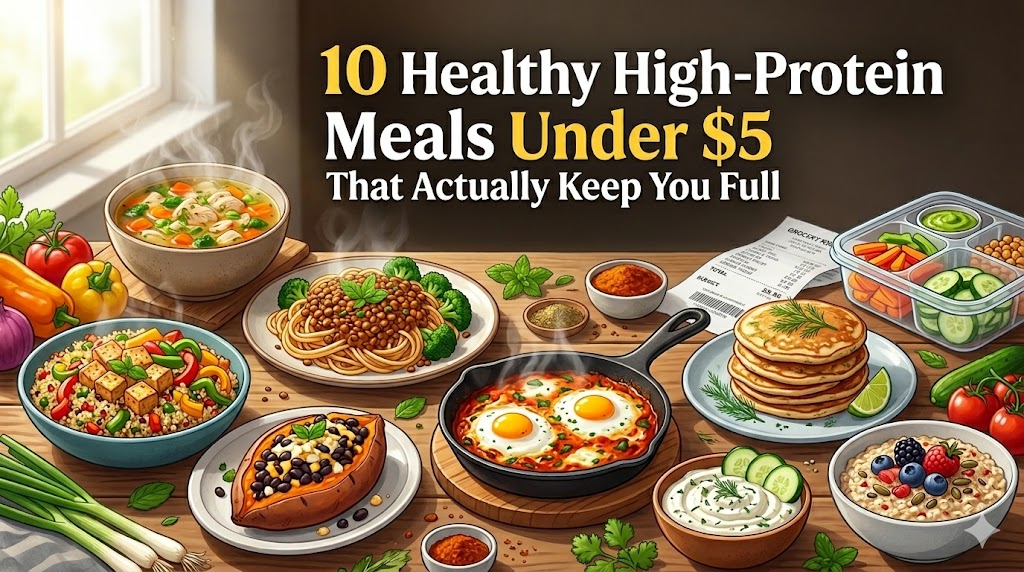
Let’s be real for a second: we’ve all stared at a grocery receipt recently and felt a tiny piece of our soul leave our body. Between inflation and the myth that healthy eating requires a trust fund, getting enough protein onto your plate can feel like a luxury sport.
But here’s the good news: building a high-protein diet on a budget is not only possible—it’s scientifically backed! The experts over at the U.S. Department of Agriculture (USDA) ran thousands of meal simulations and proved that you can eat a vibrant, nutrient-dense diet for as little as $3.00 per meal.
By focusing on smart, budget-friendly high-protein meals, you can keep your muscles happy, stay full for hours, and keep your bank account in the green.
The Satiety Code: Why Protein Keeps You Full
Have you ever eaten a massive bowl of white pasta, only to find yourself rummaging through the pantry for snacks an hour later? That’s the classic carbohydrate crash.
When you eat protein, your body kicks off a highly coordinated biological block party in your gut. The breakdown of protein stimulates your gut cells to release a team of high-powered satiety hormones—like Peptide YY (PYY) and Glucagon-Like Peptide-1 (GLP-1)—which send a direct signal to your brain saying, "Hey, we are totally good down here, put the fork down!". Simultaneously, protein tells ghrelin (your body's loud, annoying hunger hormone) to take a hike.
Even better, protein has a massive metabolic advantage thanks to something called Diet-Induced Thermogenesis (DIT). Your body actually has to work hard to digest protein. While only 0% to 3% of fat calories and 5% to 10% of carb calories are burned during digestion, a whopping 20% to 30% of protein calories are burned just breaking the food down! It's basically a workout for your stomach.
The Dietitian's Bottom Line: Protein is the ultimate satiety cheat code. It turns up your fullness hormones, dials down your hunger signals, and boosts your daily calorie burn just through digestion.
10 Cheap High-Protein Recipes (Under $5!) That Keep You Full
These delicious, dietitian-approved, cheap high-protein recipes combine highly bioavailable proteins with high-fiber, low-energy-density ingredients to give you the ultimate bang for your buck.
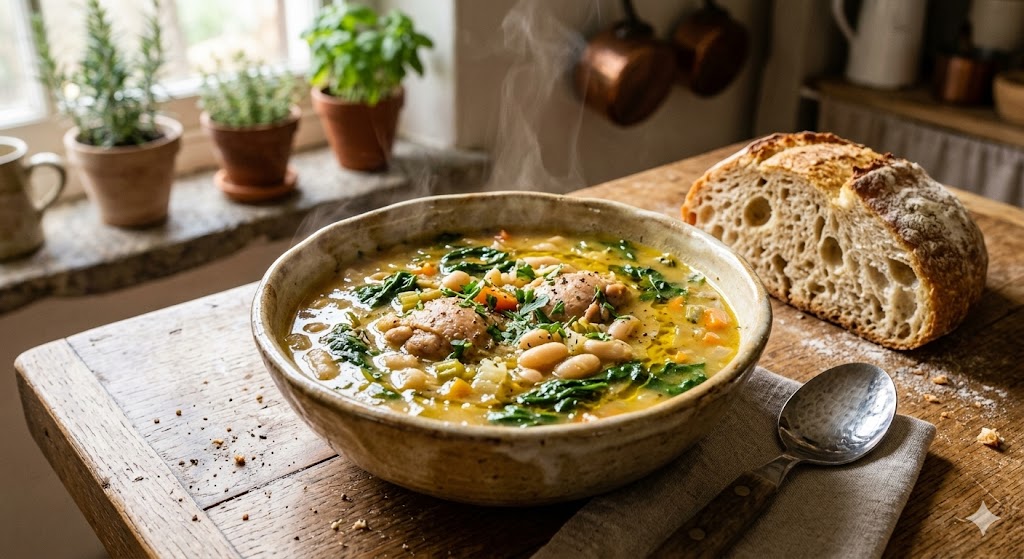
1. Tuscan White Bean and Chicken Thigh Soup
Gluten-Free | Dairy-Free | Nut-Free
This cozy, rustic soup is a total crowd-pleaser. By using skinless chicken thighs and low-sodium canned white beans, you get a beautiful blend of lean animal protein and prebiotic fiber that keeps your gut microbiome incredibly happy. Cook it up in one pot with fresh spinach, onions, and garlic, and let the comforting broth do the rest of the work.
28 grams of protein per serving
Calories | Protein | Carbs | Fat | Cost per Serving |
340 | 28g | 30g | 10g | $1.20 |
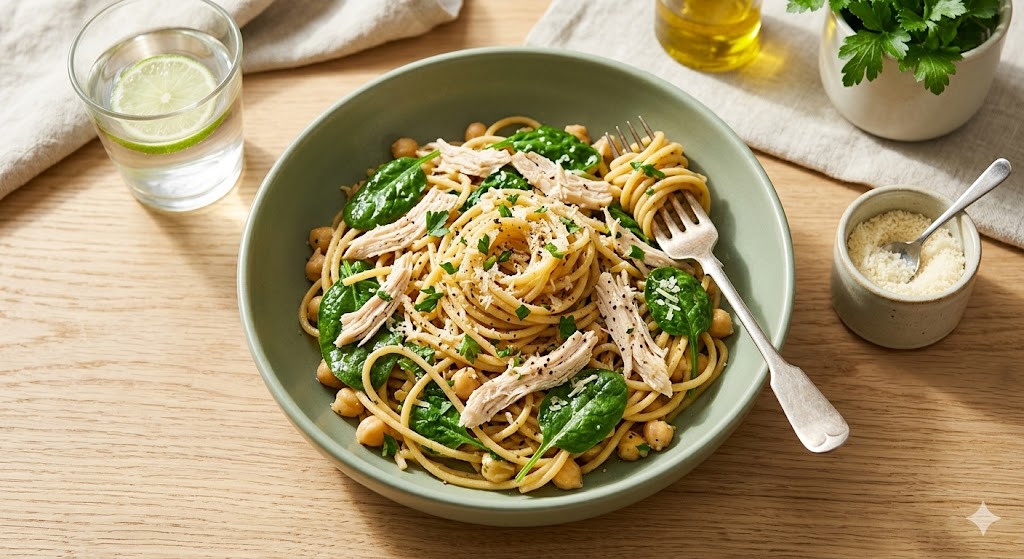
2. Protein Pasta with Shredded Chicken and Spinach
Egg-Free | Nut-Free
If you haven't hopped on the protein-enriched pasta train yet, this is your sign! Using pasta made from chickpea or lentil flour doubles your protein and fiber count instantly. Toss it with juicy, shredded chicken breast, fresh baby spinach, a minced garlic clove, and a sprinkle of salty parmesan cheese.
60 grams of protein per serving
Calories | Protein | Carbs | Fat | Cost per Serving |
495 | 60g | 39g | 6g | $1.85 |
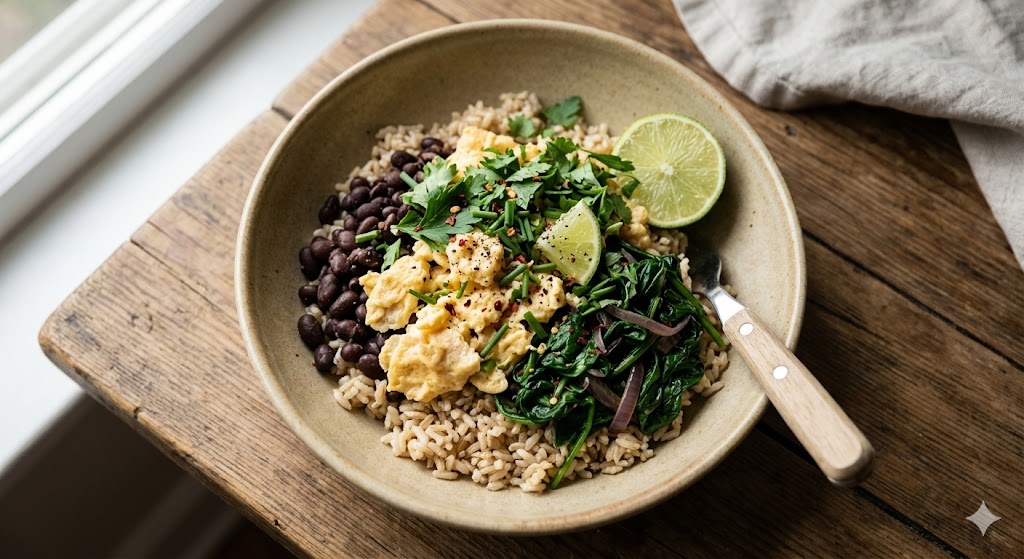
3. Scrambled Egg and Black Bean Rice Bowl
Gluten-Free | Vegetarian | Nut-Free
Talk about a breakfast (or "breakfast-for-dinner") champion! Eggs are considered the "gold standard" of protein because they contain all nine essential amino acids in perfect proportions. Scramble two eggs, toss them over a warm bed of fiber-rich brown rice and canned black beans, and top with some freshly steamed spinach for a fully balanced, dirt-cheap meal.
22 grams of protein per serving
Calories | Protein | Carbs | Fat | Cost per Serving |
410 | 22g | 45g | 14g | $0.95 |
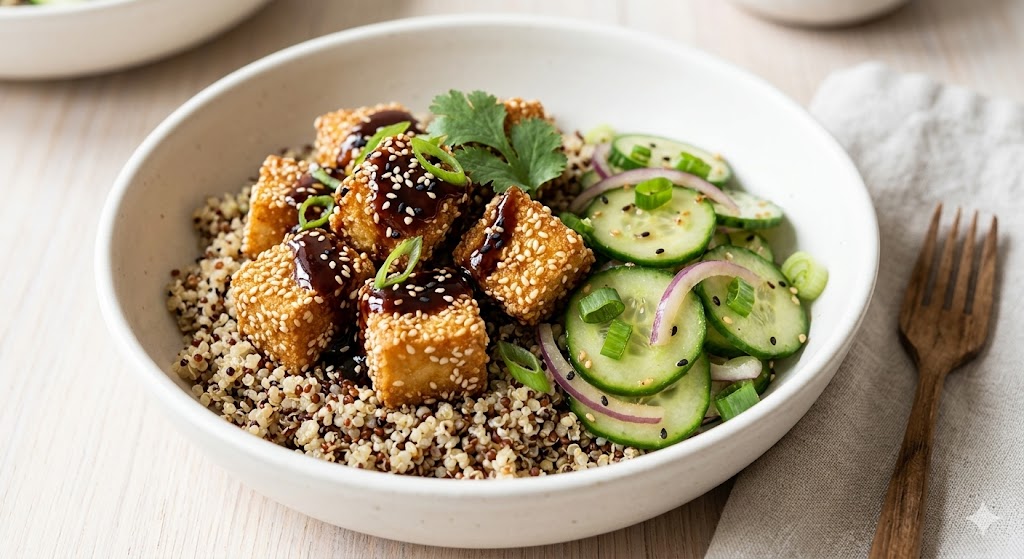
4. Sautéed Sesame Tofu and Quinoa Bowl
Gluten-Free | Vegetarian | Dairy-Free | Nut-Free
Who says budget-friendly high-protein meals have to include meat? Tofu is an incredibly cheap plant protein superstar. Press a block of extra-firm tofu, cube it, and pan-fry it until crispy with a splash of soy sauce and sesame oil. Serve it over fluffy quinoa—a unique grain that is a complete protein all on its own—alongside a crisp cucumber salad.
18 grams of protein per serving
Calories | Protein | Carbs | Fat | Cost per Serving |
380 | 18g | 42g | 12g | $1.30 |
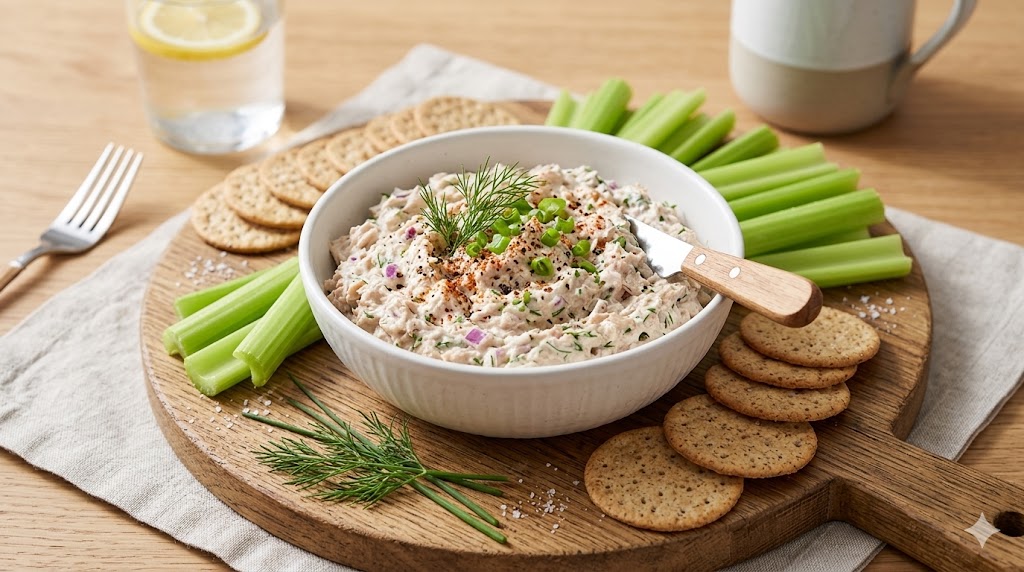
5. High-Protein Greek Yogurt and Tuna Dip
Gluten-Free | Egg-Free | Nut-Free
Canned light tuna in water is a classic, zero-prep, budget-friendly protein lifesaver. To take it to the next level, ditch the heavy mayonnaise and mix your tuna with plain nonfat Greek yogurt instead. You get all the rich, creamy texture with double the protein and a healthy dose of bone-supporting calcium! Serve with whole-wheat crackers and crisp celery sticks.
32 grams of protein per serving
Calories | Protein | Carbs | Fat | Cost per Serving |
310 | 32g | 20g | 7g | $1.65 |
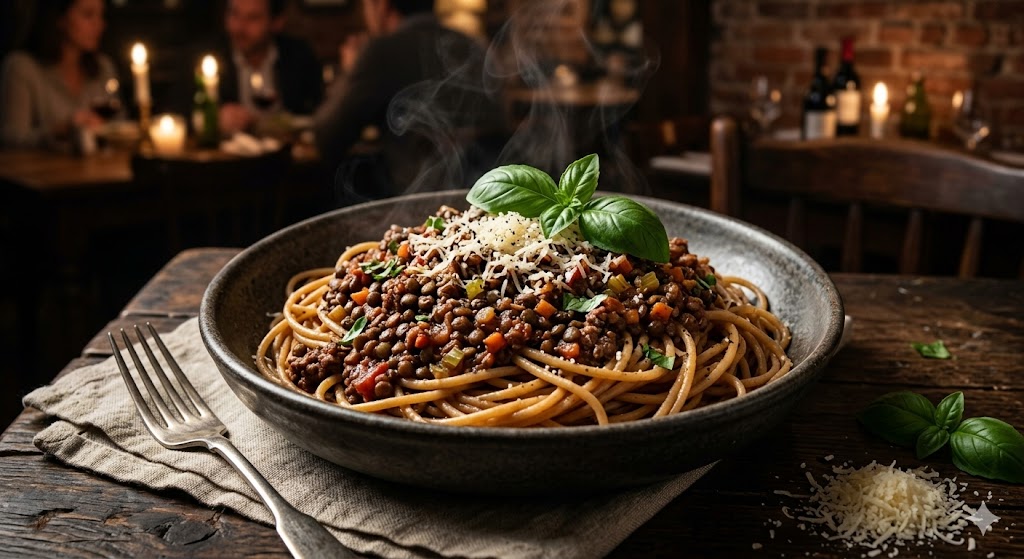
6. Lentil-Beef Bolognese over Whole-Wheat Pasta
Egg-Free | Dairy-Free | Nut-Free
Here is a brilliant dietitian meal prep hack: bulk up your lean ground beef by mixing in dry brown lentils. Lentils are ridiculously cheap, absorb whatever rich tomato-basil flavors you throw at them, and add massive amounts of gut-loving fiber to keep you full for hours. Ladle this hearty meat sauce over whole-wheat spaghetti for a comforting, budget-friendly feast.
28 grams of protein per serving
Calories | Protein | Carbs | Fat | Cost per Serving |
450 | 28g | 52g | 9g | $1.45 |
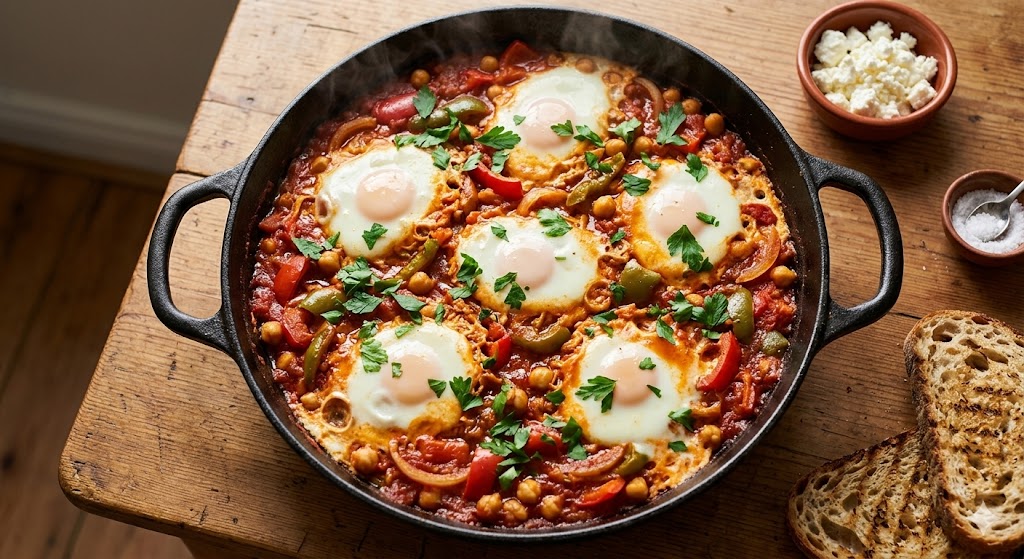
7. Spiced Chickpea and Egg Shakshouka
Gluten-Free | Vegetarian | Dairy-Free | Nut-Free
Shakshouka is essentially a warm hug in a pan. Sauté some chopped onions, garlic, and bell peppers, pour in a can of crushed tomatoes, and stir in canned chickpeas to add some nutty texture and plant protein. Make small wells in the bubbling sauce, crack in your eggs, and let them poach to runny-yolk perfection.
19 grams of protein per serving
Calories | Protein | Carbs | Fat | Cost per Serving |
360 | 19g | 34g | 13g | $1.15 |
8. Chicken and Cheese Stuffed Sweet Potato

Gluten-Free | Egg-Free | Nut-Free
Sweet potatoes provide slow-burning, complex carbohydrates that prevent blood sugar crashes and keep your energy levels beautifully stable. Bake an 8 oz sweet potato, slice it open, and stuff it to the brim with 6 oz of juicy shredded chicken breast. Top it with a sprinkle of parmesan cheese and a dollop of light sour cream.
53 grams of protein per serving
Calories | Protein | Carbs | Fat | Cost per Serving |
455 | 53g | 40g | 5g | $1.90 |
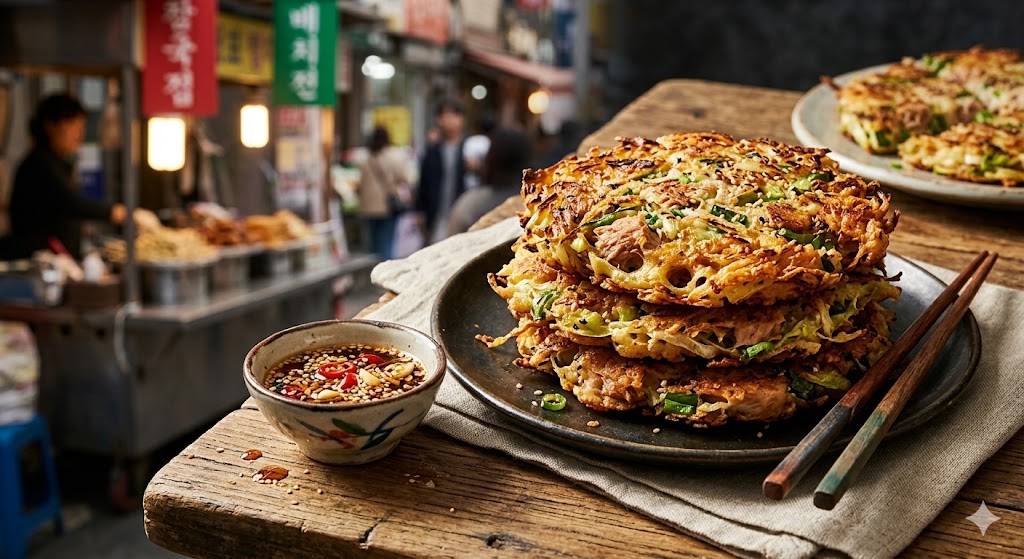
9. Korean Tuna Cabbage Pancakes (Chamchijeon)
Dairy-Free | Nut-Free
This savory street-food-inspired pancake is the ultimate way to dress up cheap, humble ingredients. Mix a can of drained light tuna with a whole egg, a mountain of shredded cabbage, a spoonful of flour, and soy sauce. Pan-fry it in a touch of oil until beautifully golden-brown and crispy, and serve with a simple soy-vinegar dipping sauce.
26 grams of protein per serving
Calories | Protein | Carbs | Fat | Cost per Serving |
290 | 26g | 12g | 14g | $1.10 |
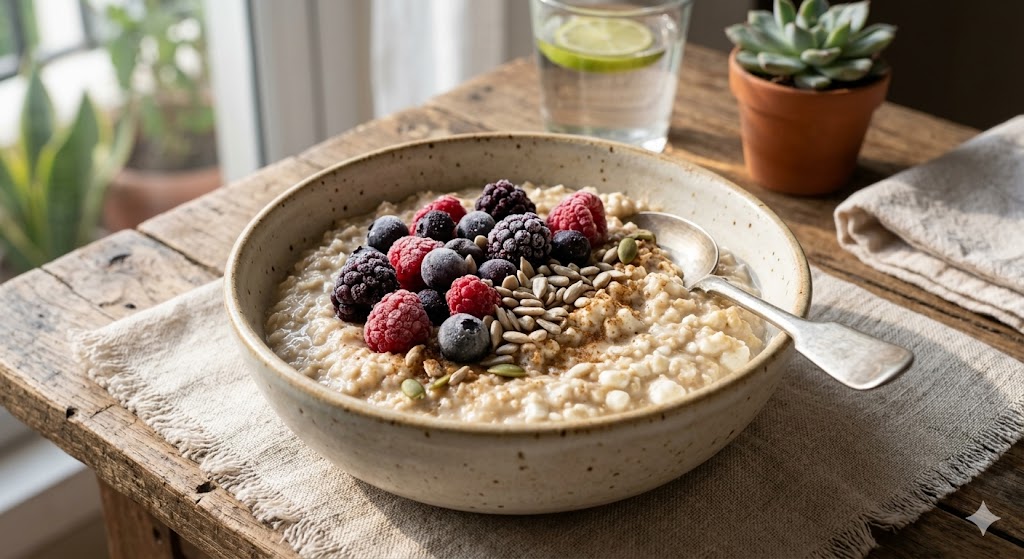
10. Cottage Cheese, Oatmeal, and Seed Bowl
Vegetarian | Egg-Free
Hear us out: cottage cheese in warm oatmeal is an absolute game-changer! Stirring half a cup of low-fat cottage cheese into hot, rolled oats creates an unbelievably rich, creamy texture without needing heavy cream. Top it with a handful of budget-friendly sunflower seeds and frozen berries for a sweet-and-savory breakfast packed with slow-digesting casein protein to fuel your morning.
24 grams of protein per serving
Calories | Protein | Carbs | Fat | Cost per Serving |
390 | 24g | 48g | 11g | $1.25 |
Log Your High-Protein Wins Hands-Free with VoCal
Now that you’ve got ten incredible, cheap, protein-packed dinners ready to go, there’s only one hurdle left: tracking them!
Let’s be honest—manually searching through massive food databases, typing in "diced cooked skinless chicken breast," and guessing the weight in grams is a major buzzkill. It’s tedious, takes way too long, and is the number one reason people abandon their health goals.
That is where VoCal steps in. By utilizing advanced Natural Language Processing (NLP), this voice-activated calorie tracking app lets you log your meals in under fifteen seconds simply by speaking naturally into your phone!
Instead of typing, you just tap the mic and say: "I just had a chicken-stuffed sweet potato with two tablespoons of parmesan cheese." Boom. The AI immediately understands the ingredients, estimates the portions, and logs your calories and macros onto your dashboard. You can even track workouts the exact same way!
Meal Logging Metric | Traditional Manual Apps | VoCal Voice-Activated System |
Logging Speed | 3 to 5 minutes of typing, searching, and scrolling | Under 15 seconds of speaking naturally |
Operational Ease | Must stop what you are doing to type | Full hands-free logging while driving, cooking, or walking |
Context Capture | Misses cooking methods or custom portions | AI automatically captures preparation details and portion sizes |
Consistency Rate | High drop-off due to logging burnout | Consistent tracking because the process is entirely frictionless |
Whether you are driving home from work, meal prepping in a chaotic kitchen, or just winding down for the night, tracking your nutrition has never been this effortless.
Frequently Asked Questions
Why do low-carbohydrate, high-protein diets cause fast weight loss at first?
During the first 1 to 2 weeks of eating a low-carb, high-protein diet, your body quickly sheds excess water weight. Restricting carbs depletes your stored glycogen (which naturally binds to water) and lowers your circulating insulin levels, signaling your kidneys to flush out sodium and stored fluids.
How does eating more protein help keep my metabolism high during weight loss?
When you restrict calories to lose weight, your body naturally wants to burn both fat and muscle. Muscle tissue has a much higher metabolic demand than fat. Consuming adequate protein preserves your lean muscle mass (fat-free mass), which prevents your resting metabolic rate from slowing down.
Can I actually get all my essential amino acids from a plant-based diet?
Yes! While individual plant foods (with a few exceptions like quinoa and soy) often lack one or two essential amino acids, combining different plant sources throughout the day easily fills those gaps. Pairing beans with rice, or tofu with quinoa, ensures you get all nine essential amino acids needed to build and repair tissue.
Disclaimer: The nutritional and dietary information provided in this article is for educational and informational purposes only and does not constitute personalized medical advice. Always consult with a primary care physician, registered dietitian, or qualified healthcare provider before starting any new diet plan or making significant dietary modifications, particularly if you have pre-existing health conditions.