
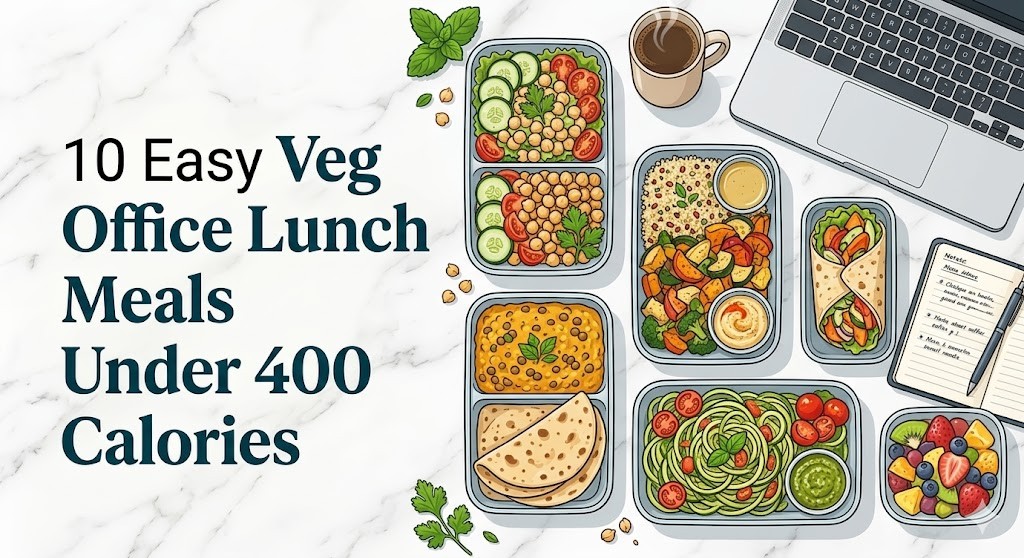
Let’s be real: the "office lunch struggle" is a mood. One minute you’re crushing your to-do list, and the next, you're staring at a heavy takeout menu because your "sad desk salad" just isn't cutting it. But what if your midday meal could actually give you a brain boost instead of a food coma?
Sticking to a veg meal plan for office lunch low calorie style doesn't mean eating birdseed. The magic number is 400 calories. It’s the metabolic "sweet spot" that keeps your blood sugar stable and your focus sharp. Pair these plant-powered meals with a high-tech tool like VoCal—which lets you log your lunch in 15 seconds just by speaking—and you’ve officially won the workday .
Here are 10 delicious, vegetarian office lunches that clock in under 400 calories and are guaranteed to make your coworkers jealous.
1. Mediterranean Chickpea Power Bowl
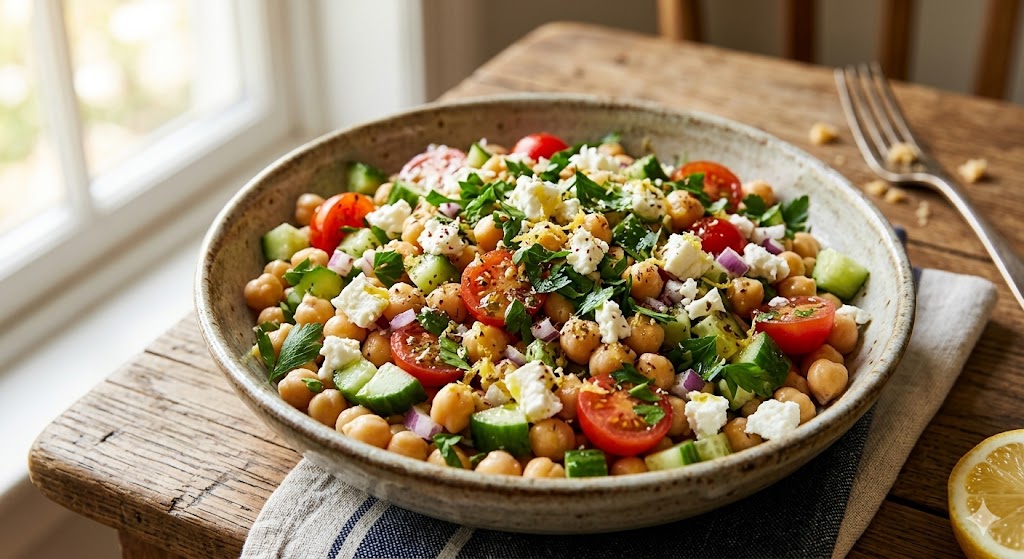
This bowl is basically a vacation in a Tupperware. Chickpeas are the stars here, offering a high-fiber protein punch that keeps you full until dinner.
Ingredients: 1 cup rinsed chickpeas, 1/2 cup diced cucumber, 1/2 cup cherry tomatoes, 1 tbsp diced red onion, 1/4 cup crumbled feta, and 2 tbsp fresh parsley.
Dressing: 2 tbsp lemon juice (or red wine vinegar), 2 tbsp extra-virgin olive oil, and 1/2 tsp dried oregano.
The Macros: Calories: 350 kcal | Protein: 11g | Carbs: 36g | Fat: 20g.
The Science: Chickpeas contain resistant starch that improves insulin sensitivity, so you can skip the afternoon energy crash.
2. Mexican Black Bean and Corn Salad
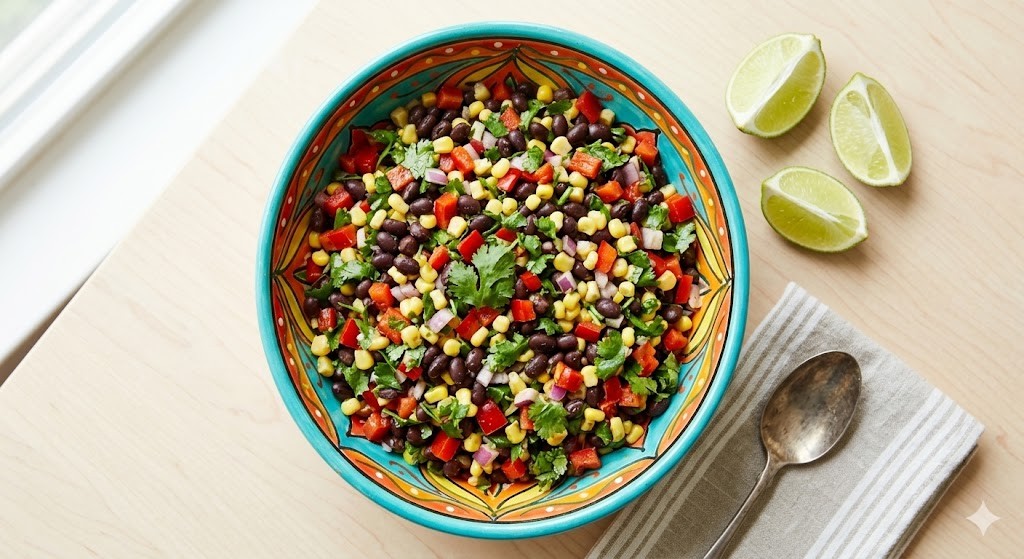
Think of this as a burrito bowl’s cooler, lighter cousin. It’s colorful, crunchy, and requires zero reheating.
Ingredients: 1 can (15 oz) black beans (drained), 1 cup corn kernels (fresh or thawed), 1 medium red bell pepper (chopped), 1 medium onion (diced), and 1/2 cup chopped cilantro.
Flavor Boost: 1 tsp ground cumin, 1 tbsp lime juice, and a dash of hot sauce.
The Macros: Calories: 213 kcal | Protein: 10g | Carbs: 35g | Fat: 5g.
Nutritional Highlight: Black beans are packed with anthocyanins—the same antioxidants found in blueberries—to protect your brain from stress.
3. Roasted Vegetable Quinoa Bowl with Tahini
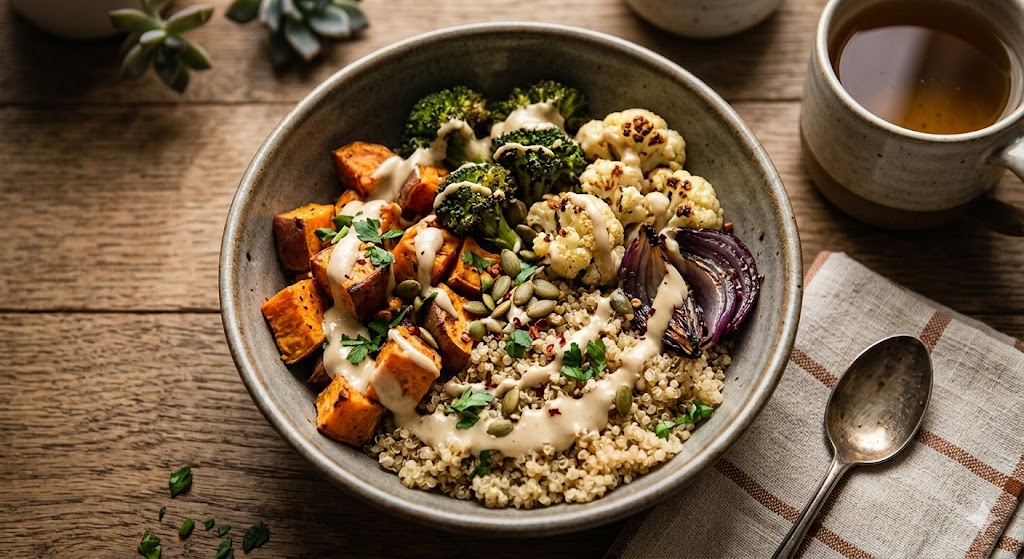
Quinoa is a pseudo-cereal superstar. It’s one of the few plant foods that contains all nine essential amino acids.
Ingredients: 1/2 cup cooked quinoa, 1 cup roasted sweet potato cubes, 1 cup broccoli florets, 1 cup cauliflower florets, and 1/2 sliced red onion.
Dressing: 1/4 cup tahini, 1 tsp maple syrup, juice of 1/2 a lemon, and 1 crushed garlic clove.
The Macros: Calories: 343 kcal | Protein: 12g | Carbs: 63g | Fat: 6g.
4. Red Lentil Dal (Masoor Dal)
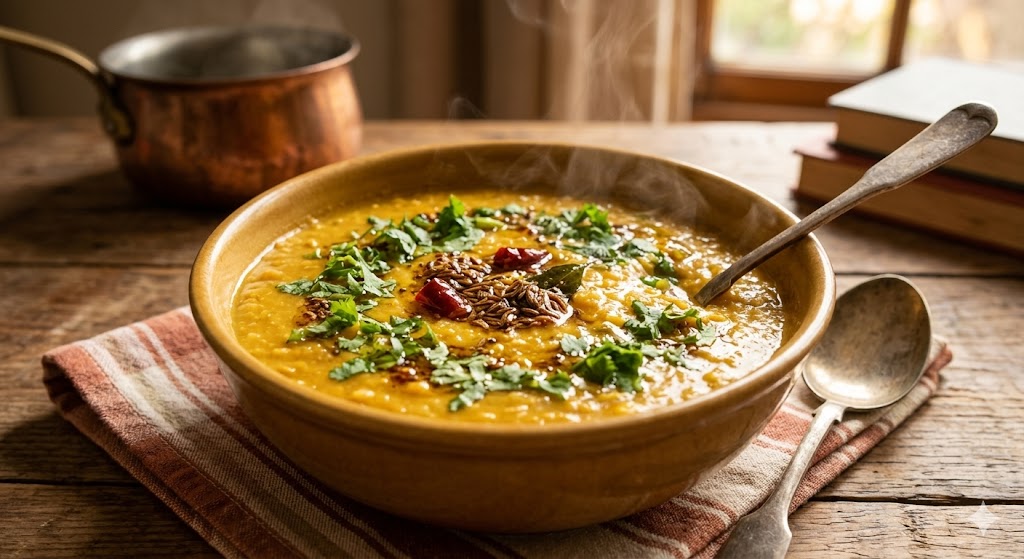
If your office is always freezing, this is the warm hug you need. Lentils are the unsung heroes of the vegetarian world—cheap, fast, and filling.
Ingredients: 1/2 cup red lentils (split), 1 medium onion (chopped), 2 medium tomatoes (diced), 1 tsp ginger-garlic paste, and 1/2 tsp turmeric powder.
Tempering: 1 tsp cumin seeds, a pinch of asafetida (hing), and 1 tbsp vegetable oil.
The Macros: Calories: 301 kcal | Protein: 11g | Carbs: 30g | Fat: 18g.
Health Hack: Add a pinch of black pepper to boost the anti-inflammatory power of the turmeric in this dish.
5. Greek Yogurt Egg Salad Sandwich
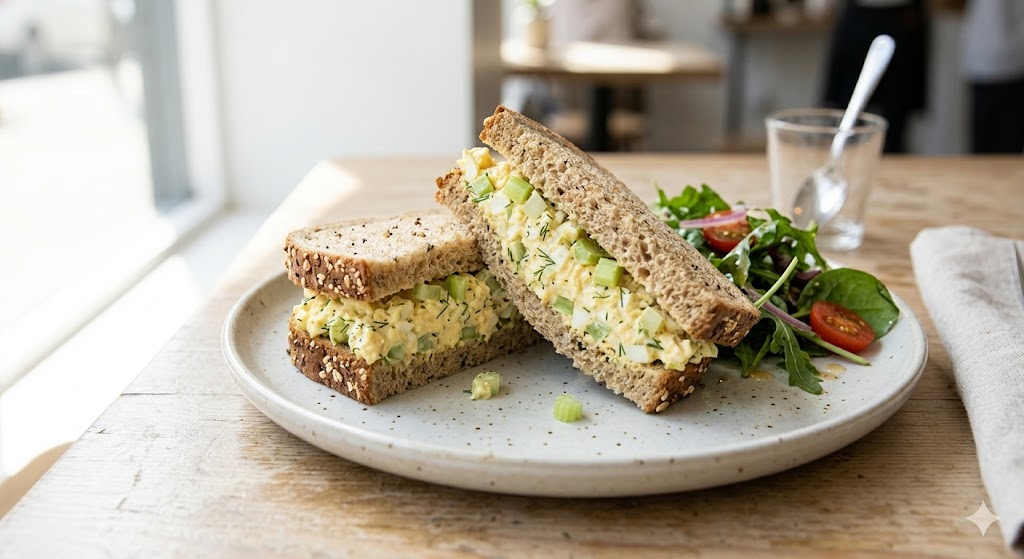
We’ve swapped the heavy mayo for non-fat Greek yogurt. The result? A creamy, zesty salad with double the protein and half the fat.
Ingredients: 6 hard-boiled eggs (peeled), 1/3 cup plain Greek yogurt, 2 tsp Dijon mustard, 1/2 tsp lemon zest, and 3 stalks of chopped celery.
Serving: 2 slices of sprouted whole-wheat bread or a whole-grain pita.
The Macros: Calories: 324 kcal | Protein: 20g | Carbs: 17g | Fat: 20g.
Brain Power: Eggs are rich in choline, which helps with memory and mood regulation during those long meetings.
6. Tofu and Cauliflower Rice Stir-Fry
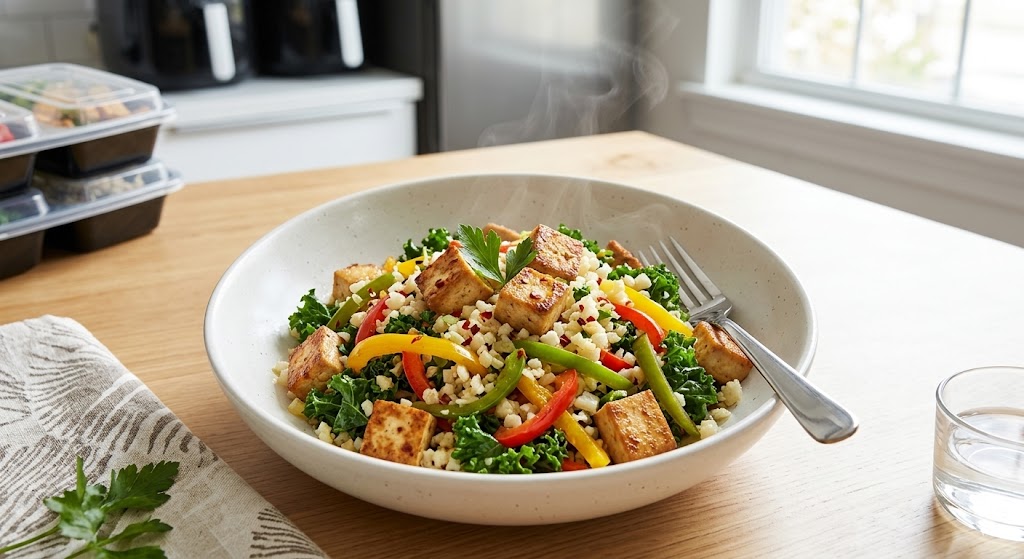
This is the ultimate "volume eating" hack. Using cauliflower rice lets you eat a massive portion for a fraction of the calories.
Ingredients: 5 oz cauliflower rice, 3 oz extra-firm tofu (cubed), 1 oz kale (chopped), and 1.5 oz yellow bell pepper (sliced).
Sauce: 1 fl oz low-sodium stir-fry sauce (or soy sauce with a dash of ginger).
The Macros: Calories: 175 kcal | Protein: 14g | Carbs: 19g | Fat: 7g.
7. Savory Spinach and Feta Egg Muffins

Think of these as portable little omelets. They are perfect for those days when you're literally running between meeting rooms.
Ingredients: 6 large eggs, 2 cups fresh spinach (chopped), 1/2 cup diced red bell peppers, and 1/4 cup crumbled feta cheese.
Seasoning: A pinch of salt, black pepper, and 1/2 tsp garlic powder.
The Macros (3 muffins): Calories: 240 kcal | Protein: 18g | Carbs: 6g | Fat: 15g.
Eye Health: Spinach is loaded with lutein to protect your eyes from all that screen time.
8. Roasted Veggie Wrap with Hummus
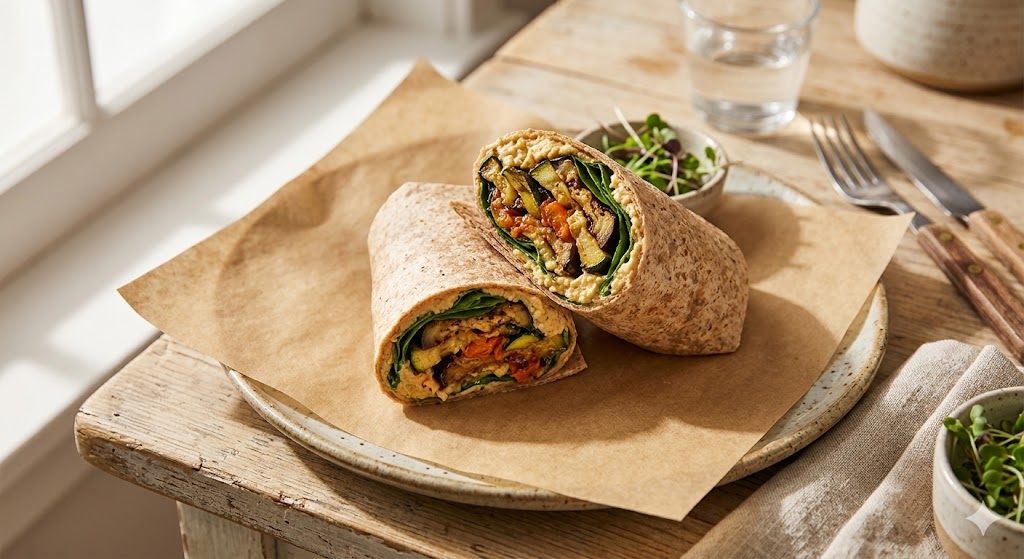
A whole-wheat wrap is a great way to get your B vitamins and fiber. Smear it with hummus for a creamy, satisfying finish.
Ingredients: 1 whole-wheat tortilla, 2-3 tbsp prepared hummus, 1/2 cup roasted zucchini slices, 1/2 cup roasted eggplant, and a handful of baby spinach.
The Macros (per wrap): Calories: 360 kcal | Protein: 12g | Carbs: 45g | Fat: 14g.
9. Lemon-Garlic Couscous with White Beans
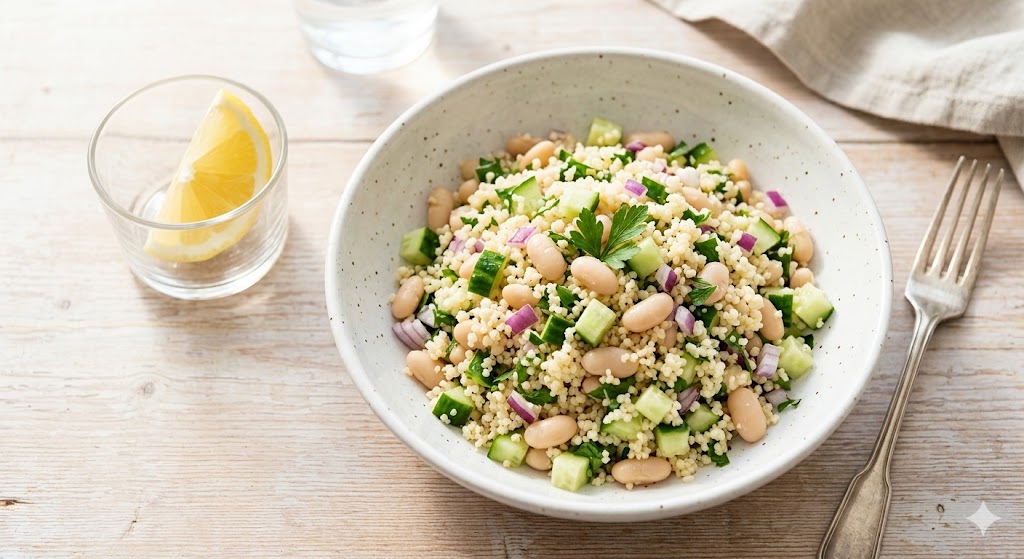
Couscous is the "fastest grain in the West"—it cooks in five minutes just by soaking in hot water.
Ingredients: 1/2 cup whole-wheat couscous (cooked), 1/2 cup cannellini beans (rinsed), 1/4 cup diced cucumber, 2 tbsp red onion, and 1 tbsp fresh parsley.
Vinaigrette: 1 tbsp extra-virgin olive oil, 1 tsp lemon juice, and 1/2 tsp Dijon mustard.
The Macros: Calories: 340 kcal | Protein: 10g | Carbs: 55g | Fat: 8g.
10. Zucchini Noodles (Zoodles) with Red Pepper Pesto
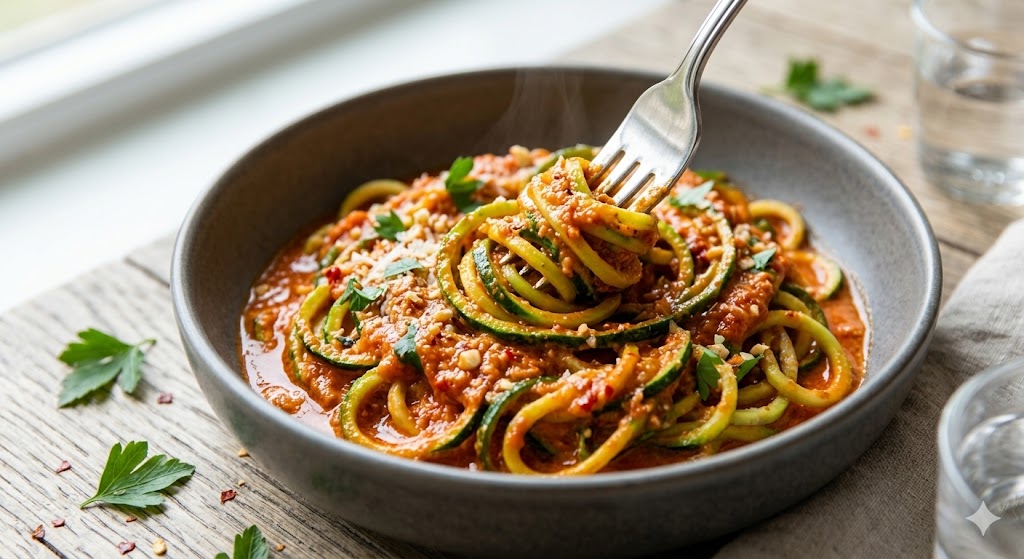
Low-carb doesn't have to be boring. Zoodles are over 90% water, making them hydrating and super light.
Ingredients: 4 medium zucchinis (spiralized), 12 oz jarred roasted red peppers (drained), 1/2 cup almond or cashew milk, and 1 crushed garlic clove.
Flavor Tip: Blend the peppers, milk, and garlic with 1 tbsp olive oil and 1/4 cup tahini (for thickening) to make the sauce.
The Macros: Calories: 235 kcal | Protein: 5g | Carbs: 9g | Fat: 16g.
Why The 400-Calorie Limit Works
In a sedentary office job, our bodies don't need the massive caloric loads found in typical restaurant lunches. When we overeat, our bodies produce excess insulin, leading to that 3:00 PM "slump" where you can't stop yawning.
By focusing on fiber and plant protein, you keep your brain fueled without the metabolic stress. Check out how these nutrients support your workday:
Nutrient Component | Impact on Office Performance |
Soluble Fiber | Stabilizes blood glucose; prevents energy crashes |
Plant Protein | Suppresses hunger hormones; increases focus |
Complex Carbs | Provides long-term fuel for cognitive tasks |
Micronutrients | Supports neuro-protection and reduces inflammation |
How to Track Like a Pro (Without the Headache)
Most of us give up on dieting because manual tracking is a chore. Spending 15 minutes searching for "chickpea salad" in a database is nobody's idea of fun.
That’s where VoCal comes in. It uses advanced AI to understand your voice. Whether you’re eating home-cooked dal makhani or a custom quinoa bowl, you can log it in 11 different languages.
VoCal Benefits:
Speed: Log a meal in 15 seconds.
Accuracy: 95% precision on macros and calories.
Friction-Free: No searching, no scanning, just speaking.
FAQs: Mastering the Veggie Office Lunch
1. Won't I be hungry an hour later?
Not if you prioritize volume! Fill half your container with non-starchy veggies like broccoli or spinach. They take up room in your stomach and signal your brain that you're full.
2. Can I meal prep these for the whole week?
Absolutely. Roasted veggies and bean salads are actually better on day three. Use the "Sunday Prep Model" to roast a big batch of veggies at 400°F (200°C) for 25 minutes.
3. Does VoCal understand regional dishes?
Yes! VoCal is built for the Indian context, recognizing over 100,000 Indian foods and supporting languages like Hindi, Tamil, and Marathi.
4. What if I have to eat at a restaurant?
Just tell the app what you ordered. Describe it naturally: "I had a bowl of vegetable soup and a small side salad with vinaigrette." The AI handles the rest.
Disclaimer: Consult a healthcare professional before starting any new diet. This guide is for informational purposes and not a substitute for medical advice.