

If you’ve ever stood in a Chipotle line watching a mountain of slow-braised pork land in your bowl, you know the vibes are immaculate. But for those of us tracking our progress, the real question is: what’s actually in that bowl?
Chipotle has a bit of a "health halo," meaning we often assume everything behind the glass is a superfood. While the ingredients are fresh, the Chipotle bowl calories and macros can vary wildly depending on whether you're building a lean machine or a "double guac" masterpiece.
In this guide, we’ll break down the carnitas bowl component by component so you can order like a pro.
The Star of the Show: Pork Carnitas

Chipotle’s carnitas isn't just regular pork—it’s responsibly raised pork shoulder, slow-braised for hours until it’s tender enough to shred. Because it's cooked in its own fats, it’s one of the most flavorful (and calorie-dense) protein options on the menu.
While it has more fat than chicken or steak, it’s a powerhouse for vitamins. Pork is naturally rich in thiamine (Vitamin B1), which helps your body turn food into energy.
Here is the macronutrient breakdown for a standard 4-ounce serving of carnitas:
Nutrient | Value | % Daily Value (2,000 kcal) |
Calories | 210 kcal | 10.5% |
Total Fat | 12g | 15% |
Saturated Fat | 7g | 35% |
Cholesterol | 65mg | 22% |
Sodium | 450mg | 20% |
Protein | 23g | 46% |
Total Carbs | 0g | 0% |
Bottom Line: Carnitas is a "zero-carb" anchor, making it perfect for keto fans, though it packs about 40% more calories than the steak.
Choosing Your Base: The Rice Reality
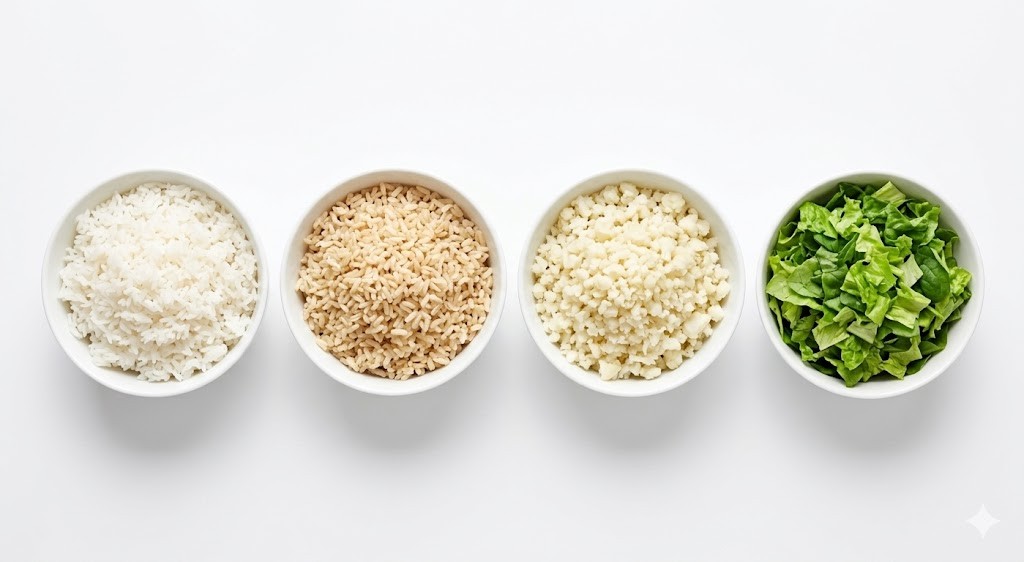
The base of your bowl sets the stage for your glycemic response (how fast your blood sugar spikes). If you're looking to cut the "carb coma," choosing cauliflower rice or a greens mix is your best bet.
Surprisingly, the white and brown rice have the same calorie count, but the brown rice offers a lower sodium profile and a bit more fiber.
Starch Option | Calories | Carbohydrates (g) | Fiber (g) | Sodium (mg) |
White Rice | 210 | 40 | 1 | 345 |
Brown Rice | 210 | 36 | 2.5 | 195 |
Cauliflower Rice | 40 | 7 | 3 | 165 |
Supergreens Mix | 15 | 3 | 2 | 15 |
Bottom Line: Swapping white rice for brown rice saves you 150mg of sodium, which is a major win for heart health.
The Fiber Boost: Beans and Satiety
Adding black or pinto beans to your carnitas bowl is the secret to staying full until dinner. Beans are loaded with fiber, which slows down digestion and keeps those hunger hormones in check.
Both bean options at Chipotle provide about 130 calories and 7–8 grams of fiber. Clinical studies show that high-protein, high-fiber meals (like a carnitas and black bean combo) trigger "fullness" signals in the brain more effectively than carbs alone.
Navigating the "Topping Trap"
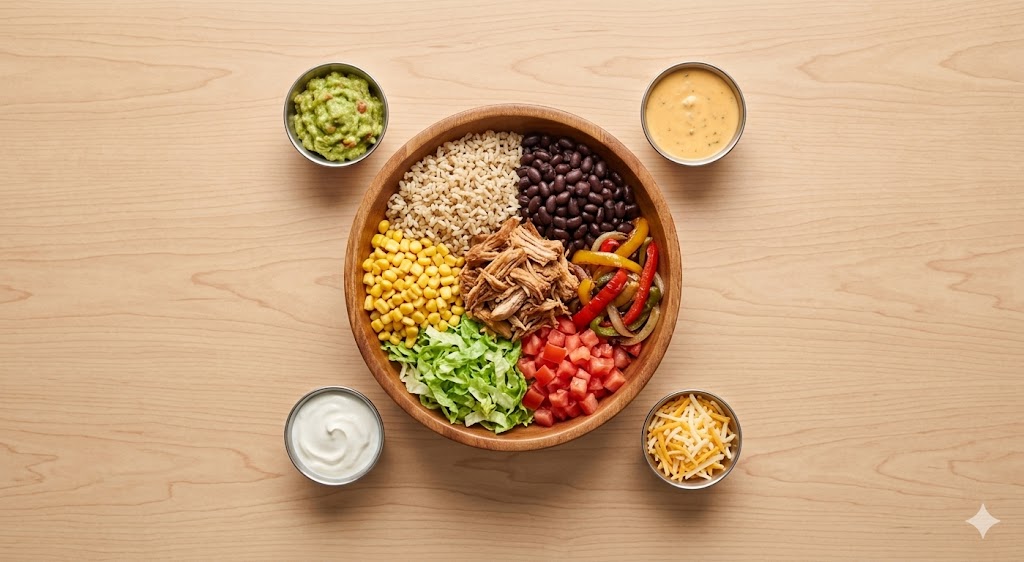
This is where things usually go sideways. We often think of guacamole, cheese, and sour cream as "healthy" additions, but their caloric density adds up fast.
If you add a full scoop of guacamole, cheese, and sour cream, you’ve added nearly 450 calories before you’ve even reached for the chips.
Topping | Calories | Fat (g) | Sodium (mg) |
Guacamole | 230 | 22 | 375 |
Queso Blanco | 120 | 9 | 250 |
Sour Cream | 110 | 9 | 45 |
Monterey Jack Cheese | 110 | 8 | 200 |
Bottom Line: If you're watching your weight, try asking for "light" portions or pick just one creamy topping instead of all three.
Why Tracking Matters (and How to Make it Easy)
Estimating Chipotle bowl calories and macros by eye is notoriously difficult. Research shows that serving sizes can vary by 10–20% depending on who is holding the scoop.
If you're serious about your health goals but hate spending 15 minutes typing "half scoop of pinto beans" into a traditional app, there’s a better way. VoCal lets you track your entire meal using just your voice.
By simply saying, "I had a Chipotle bowl with carnitas, brown rice, and extra fajita veggies," the AI calculates your macros in 15 seconds with 95% accuracy. It removes the friction from tracking, helping you stay consistent without the headache.
Frequently Asked Questions (FAQs)
Is the Carnitas Bowl keto-friendly?
Absolutely! The carnitas itself has zero carbs. Skip the rice and beans, load up on the Supergreens Mix, and add guacamole for healthy fats to stay in ketosis.
Which meat has the most protein?
While carnitas has a solid 23g per serving, the chicken is actually the protein king at Chipotle, offering 32g per 4-ounce scoop.
How can I lower the sodium in my bowl?
Sodium is the "hidden" hurdle at Chipotle. To lower it, choose the Tomatillo-Green Chili Salsa (260mg) instead of the Fresh Tomato Salsa (550mg), and opt for brown rice over white.
Disclaimer: This article is for informational purposes only and does not provide medical advice, diagnosis, or treatment. Please consult with a healthcare professional or registered dietitian before starting a new diet or making significant changes to your nutrition plan.